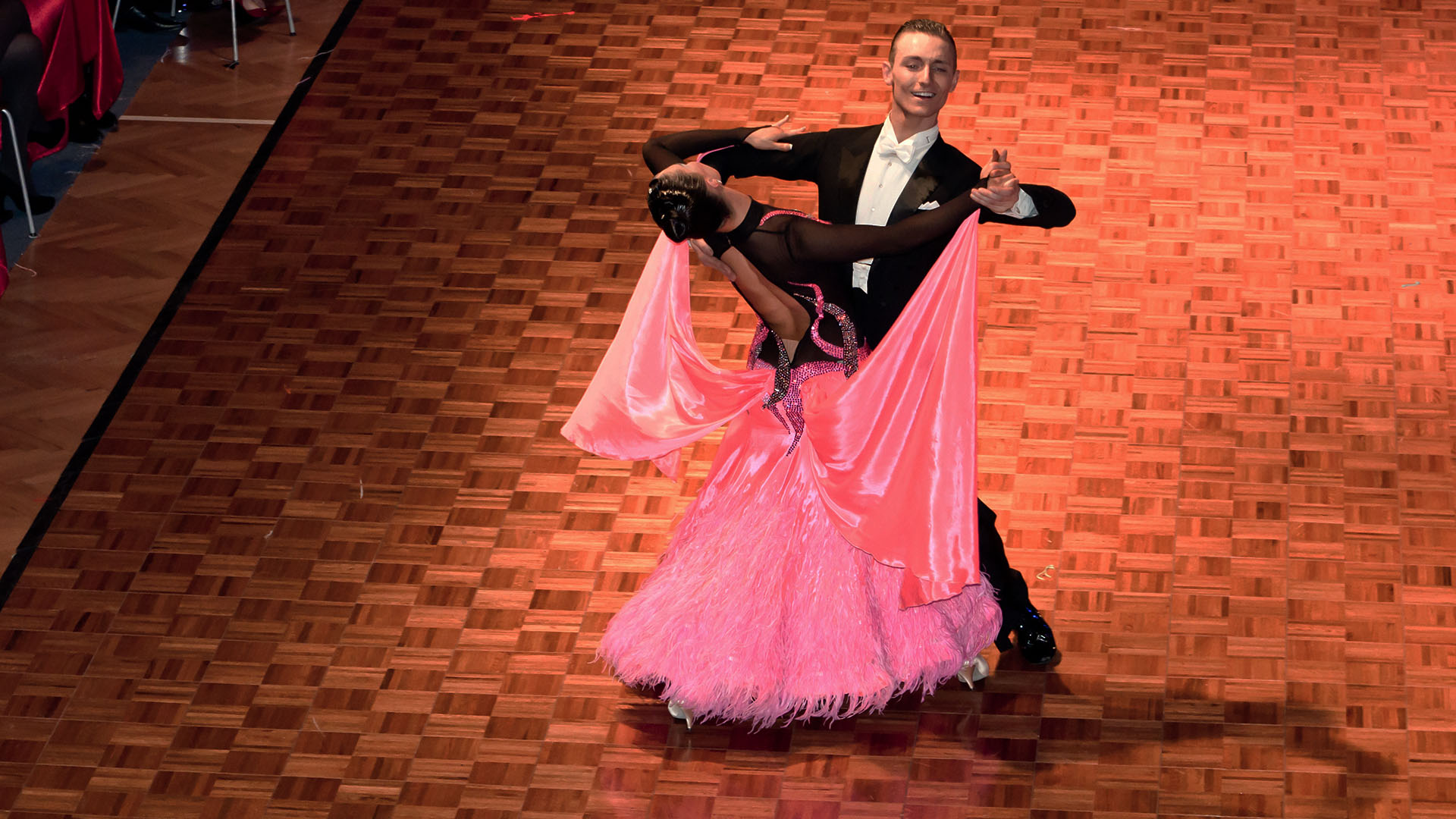

Dancing has long been a beloved form of esthetic expression, but did you know that it can also be see a sport? The debate over whether dancing is a sport has been ongoing for decades, with proponents on both sides presenting compelling arguments. This exploration delves into the diverse aspects of dance that restrict it as a sport, the benefits it offers, and the militant nature of dance competitions.
What Defines a Sport?
Before plunge into whether dance is a sport, it's indispensable to understand what defines a sport. Generally, a sport is an activity that involves physical travail, skill, and contest. It oft requires training, strategy, and adherence to specific rules. Sports can be single or team ground and are typically order by organizations that set standards and regulations.
Physical Exertion and Skill in Dancing
One of the principal arguments for dancing being a sport is the physical exertion and skill demand. Dancers must have especial strength, flexibility, and endurance. They often train for hours each day, force their bodies to the limit. The physical demands of dancing are like to those of other acknowledge sports. for instance, ballet dancers must maintain a high level of fitness to perform complex movements and maintain proper technique. Similarly, hip hop dancers need volatile ability and agility to execute intricate routines.
Moreover, dance requires a eminent level of skill and technique. Dancers must lord respective movements, rhythms, and styles. They must also have a keen sense of timing, coordination, and musicality. The precision and control necessitate in dance performances are akin to the skills needed in sports like gymnastics or figure skating.
Competitive Nature of Dance
Another key aspect of sports is competition. Dance competitions are dominant worldwide, stray from local events to outside championships. These competitions often feature strict judging criteria, similar to those in sports. Judges valuate dancers based on technique, performance calibre, creativity, and adherence to the rules. The competitive nature of dance is evident in assorted genres, include ballroom, jazz, contemporary, and hip hop.
Dance competitions can be intense and demanding, requiring dancers to perform at their peak. The pressure to excel and the desire to win are similar to those experienced by athletes in other sports. Additionally, dance competitions oftentimes regard teamwork and collaboration, especially in group performances. This team dynamic is another characteristic share with many sports.
Training and Discipline
Training and discipline are crucial components of any sport, and dancing is no exception. Dancers undergo stringent training regimens that include strength conditioning, tractability exercises, and technique drills. They must also maintain a healthy lifestyle, including proper aliment and adequate rest, to perform at their best. The dedication and discipline ask in dance educate are comparable to those in sports like swim, track and field, and martial arts.
Furthermore, dancers must adhere to specific rules and guidelines during performances. These rules ensure candour and consistency in competitions. for instance, in ballroom dancing, there are strict guidelines for partner, footwork, and musical interpretation. Similarly, in hip hop competitions, dancers must adhere to specific criteria for creativity, executing, and synchronism.
Benefits of Dancing as a Sport
Recognizing dance as a sport can have numerous benefits for dancers and the broader community. One of the primary benefits is the increase recognition and indorse for dancers. As a sport, dance would find more funding, resources, and media coverage, allowing dancers to pursue their passion more efficaciously. This credit could also guide to wagerer check facilities, coaching, and opportunities for dancers to compete at higher levels.
Additionally, recognizing dance as a sport can encourage more people to enter in dance activities. The physical and mental benefits of dancing are easily documented, including improved cardiovascular health, enhanced flexibility, and reduced stress. By further dance as a sport, more individuals may be prompt to engage in this action, preeminent to a healthier and more active population.
Moreover, recognizing dancing as a sport can foster a greater sense of community and camaraderie among dancers. The competitive nature of dance can take dancers together, creating a supportive network of individuals who partake a common passion. This sense of community can be beneficial for dancers' mental health and overall well being.
Challenges and Criticisms
Despite the arguments in favour of dancing as a sport, there are also challenges and criticisms. One of the main criticisms is that dance is primarily an art form rather than a sport. Proponents of this view argue that the originative and expressive aspects of dancing are more significant than the physical and competitive elements. They believe that recognizing dancing as a sport could diminish its artistic value and trim its concenter on creativity and self expression.
Another challenge is the lack of calibration in dance competitions. Unlike many sports, dance competitions can vary wide in terms of judging criteria, rules, and formats. This lack of calibration can create it difficult to compare performances and determine winners moderately. Additionally, the immanent nature of dance guess can lead to inconsistencies and biases, which can be bedevil for competitors.
Furthermore, the physical demands of dance can be intense, and injuries are common. Dancers often face risks such as sprains, strains, and overuse injuries. The competitive nature of dance can also lead to mental health issues, include stress, anxiety, and burnout. These challenges foreground the need for proper training, endorse, and resources for dancers to assure their well being.
Comparing Dance to Other Sports
To punter realize whether dance is a sport, it can be helpful to compare it to other recognized sports. Here is a table highlighting some key similarities and differences:
| Aspect | Dancing | Sports (e. g., Soccer, Basketball) |
|---|---|---|
| Physical Exertion | High | High |
| Skill and Technique | High | High |
| Competition | Yes | Yes |
| Training and Discipline | Yes | Yes |
| Artistic Expression | High | Low to Moderate |
| Standardization | Variable | High |
| Injury Risk | High | High |
As shown in the table, dance shares many similarities with other sports, including physical effort, skill, competition, and condition. However, it also has unique aspects, such as a high point of artistic expression and variable standardization. These differences spotlight the complexity of the deliberate over whether dance is a sport.
Note: The table above provides a general comparison and may not cover all aspects of every sport or dance genre.
The Future of Dancing as a Sport
As the debate over whether dance is a sport continues, it is all-important to regard the future of dance in this context. Recognizing dance as a sport could direct to increase opportunities and support for dancers, foster a more vibrant and competitive dance community. However, it is also essential to preserve the aesthetic and expressive aspects of dance, control that it remains a unique and worthful form of artistic reflexion.
One potential path forward is to advertize dance as both an art form and a sport. This dual identification could countenance dancers to benefit from the resources and back of the sports world while maintain the creative and expressive elements of dance. Additionally, it could encourage more people to engage in dance activities, starring to a healthier and more active population.
to summarize, the question of whether dancing is a sport is complex and multifaceted. While there are potent arguments in favor of discern dancing as a sport, there are also challenges and criticisms to consider. Ultimately, the future of dance as a sport will depend on how we proportion the physical and competitive aspects of dance with its artistic and expressive elements. By promoting dance as both an art form and a sport, we can create a more vibrant and inclusive dance community that benefits dancers and the broader public alike.
Related Terms:
- reasons dance is a sport
- why dance isn't a sport
- why ballet is a sport
- dance is a sport statistics
- how dance is a sport
- is dance a hard sport