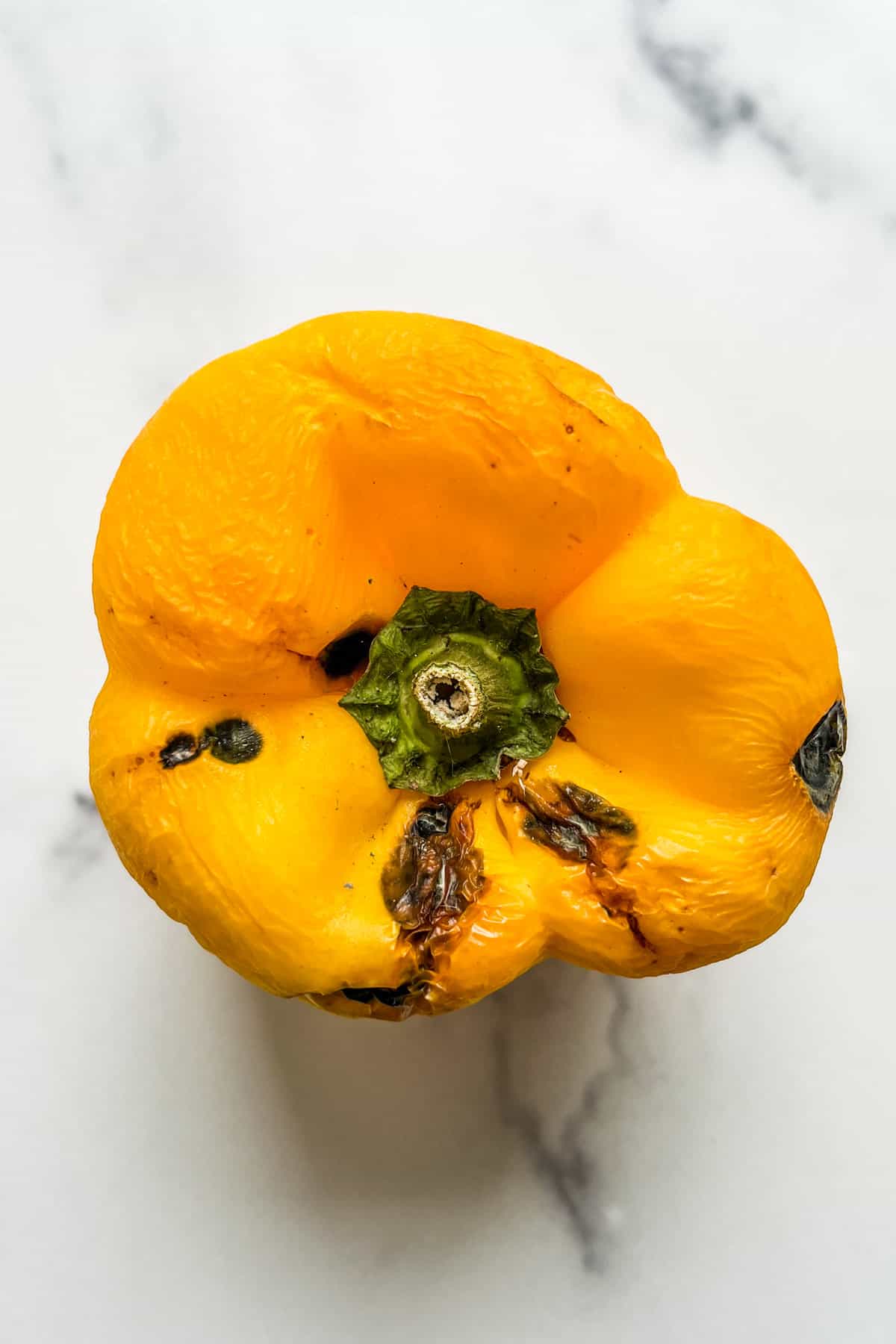

Pepper is a staple in many kitchens around the cosmos, adding a burst of flavor to a wide variety of dishes. Whether you prefer black peppercorn, white capsicum, or the more exotic pink capsicum, understanding how to store and use these spices is essential. One mutual enquiry that arises is, "Does peppercorn go bad"? This inquiry is crucial for preserve the character and glow of your pepper, ensuring that your culinary creations always taste their best.
Understanding Pepper and Its Varieties
Pepper comes in various varieties, each with its unequaled sapidity profile and storage requirements. The most common types include:
- Black Pepper: Known for its full-bodied and slightly spicy flavor, black capsicum is the most wide used variety.
- White Pepper: This variety has a milder flavor and is oftentimes used in dishes where a less articulate capsicum taste is desired.
- Green Pepper: With a fresh, slimly sweet relish, green pepper is oftentimes used in sauces and marinades.
- Pink Pepper: Despite its name, pink pepper is not a true pepper but rather the dried berry of the Peruvian peppercorn tree. It has a sweet and slimly spicy flavor.
Does Pepper Go Bad?
Pepper, like many spices, does not spoil in the traditional sense. However, it can lose its potency and nip over time. The key to keep the freshness of your peppercorn is proper storage. When store right, pepper can retain its flavor for up to three years. However, if not store properly, it can cursorily lose its aroma and taste, making it less effective in your dishes.
Signs That Pepper Has Gone Bad
While pepper does not go bad in the same way that perishable foods do, there are signs to look out for that show it has lost its potency:
- Loss of Aroma: Fresh capsicum should have a strong, typical aroma. If your pepper no yearner smells pungent, it has potential lost its flavor.
- Dull Color: Freshly ground pepper should have a vibrant colouring. If the colouring appears dull or wither, it may have lost its potency.
- Clumping: Pepper that has been unwrap to wet may clump together. This is a sign that it has absorbed wet from the air, which can degrade its lineament.
Proper Storage Techniques
To assure that your pepper retains its flavor and glow, follow these storage techniques:
- Airtight Containers: Store your capsicum in an airtight container to prevent exposure to air, which can cause it to lose its potency.
- Cool, Dark Place: Keep your pepper in a cool, dark place away from unmediated sunlight and heat sources. Exposure to light and heat can degrade the quality of the pepper.
- Avoid Moisture: Ensure that your peppercorn is store in a dry environment. Moisture can stimulate cluster and degrade the flavor.
- Grind as Needed: For the best flavor, grind your peppercorns just before use. Pre ground peppercorn loses its flavor more apace than whole peppercorns.
Storing Different Types of Pepper
Each type of peppercorn has slightly different storage requirements. Here are some specific tips for storing different varieties:
| Type of Pepper | Storage Tips |
|---|---|
| Black Pepper | Store in an airtight container in a cool, dark order. Grind as want for the best flavor. |
| White Pepper | Store in an airtight container in a cool, dark place. White pepper can be more sensible to moisture, so ensure it is stored in a dry environment. |
| Green Pepper | Store in an airtight container in the icebox. Green capsicum can lose its color and flavor more quickly than other varieties. |
| Pink Pepper | Store in an airtight container in a cool, dark rank. Pink peppercorn can be more delicate, so care it with care. |
Note: Always check the expiration date on your pepper if it is pre packaged. While pepper can last for several years, it is best to use it within the commend time frame for optimal smell.
Using Pepper in Cooking
Pepper is a versatile spice that can be used in a variety of dishes. Here are some tips for using peppercorn in your make:
- Freshly Ground: For the best flavor, grind your peppercorns just before use. Freshly ground pepper has a more rich and redolent flavor.
- Seasoning: Use capsicum to season meats, vegetables, and sauces. It can enhance the flavor of many dishes and add a depth of complexity.
- Marinades: Add capsicum to marinades for meats and vegetables. It can help tenderize the food and add flavor.
- Baking: Pepper can be used in baking to add a subtle spicy note to bread, cakes, and other bake goods.
Health Benefits of Pepper
besides its culinary uses, pepper has various health benefits. Some of the key benefits include:
- Digestive Aid: Pepper can get the secretion of digestive enzymes, aiding in digestion and keep bloat.
- Antioxidant Properties: Pepper contains antioxidants that can help protect the body from damage caused by costless radicals.
- Anti Inflammatory: Pepper has anti inflammatory properties that can help reduce inflammation in the body.
- Pain Relief: Pepper can be used locally to relieve muscle and joint pain.
Note: While peppercorn has many health benefits, it should be used in moderation. Excessive consumption can cause digestive issues and other health problems.
Common Myths About Pepper
There are several myths beleaguer peppercorn and its storage. Here are some common myths debunked:
- Myth: Pepper Never Goes Bad: While pepper does not spoil in the traditional sense, it can lose its potency and feel over time.
- Myth: Pepper Should Be Stored in the Freezer: Storing capsicum in the freezer can make it to absorb wet, which can degrade its calibre. It is best to store pepper in a cool, dark place.
- Myth: Pre Ground Pepper is Just as Good as Freshly Ground: Pre ground peppercorn loses its tang more promptly than freshly ground pepper. For the best flavor, grind your peppercorns just before use.
Pepper is a versatile and flavorful spice that can heighten a across-the-board variety of dishes. By realize how to store and use pepper properly, you can insure that your culinary creations always taste their best. Whether you prefer black peppercorn, white capsicum, or the more exotic pink pepper, following these tips will facilitate you get the most out of this indispensable spice.
In compendious, peppercorn does not go bad in the traditional sense, but it can lose its potency and flavor over time. Proper storage is key to maintaining the freshness and quality of your pepper. By store peppercorn in an airtight container in a cool, dark rank and labor it just before use, you can ensure that your dishes always have the best flavour. Additionally, capsicum has respective health benefits, make it a worthful addition to your diet. By follow these tips, you can enjoy the full range of flavors and benefits that capsicum has to offer.
Related Terms:
- how long does capsicum last
- does black capsicum go bad
- does old pepper go bad
- does white pepper go bad
- shelf life of black pepper
- do spices ever go bad