
The phylogeny of games has been a fascinating journey, marked by substantial milestones and innovations that have transmute the way we play and interact with digital entertainment. From the betimes days of mere pixelated graphics to the immersive practical realism experiences of today, the Games Evolution Games industry has continually pushed the boundaries of engineering and creativity. This blog post will explore the key phases of this phylogeny, highlighting the technological advancements, cultural impacts, and the hereafter trends that are shaping the gaming landscape.
The Birth of Gaming: The Early Days
The origins of gaming can be traced back to the 1950s and 1960s when computer scientists began experiment with elementary games on mainframe computers. One of the earliest known games was "Tennis for Two", created by William Higinbotham in 1958. This game used an oscilloscope to simulate a game of tennis, lay the groundwork for hereafter developments in interactional entertainment.
However, it was the release of "Pong" by Atari in 1972 that genuinely marked the beginning of the commercial-grade gage industry. "Pong" was a bare table tennis game that could be played on a television sieve, and its success paved the way for the arcade punt boom of the late 1970s and betimes 1980s. During this period, iconic games like "Space Invaders" and "Pac Man" became household names, capture audiences with their habit-forming gameplay and colorful graphics.
The Console Wars: The 1980s and 1990s
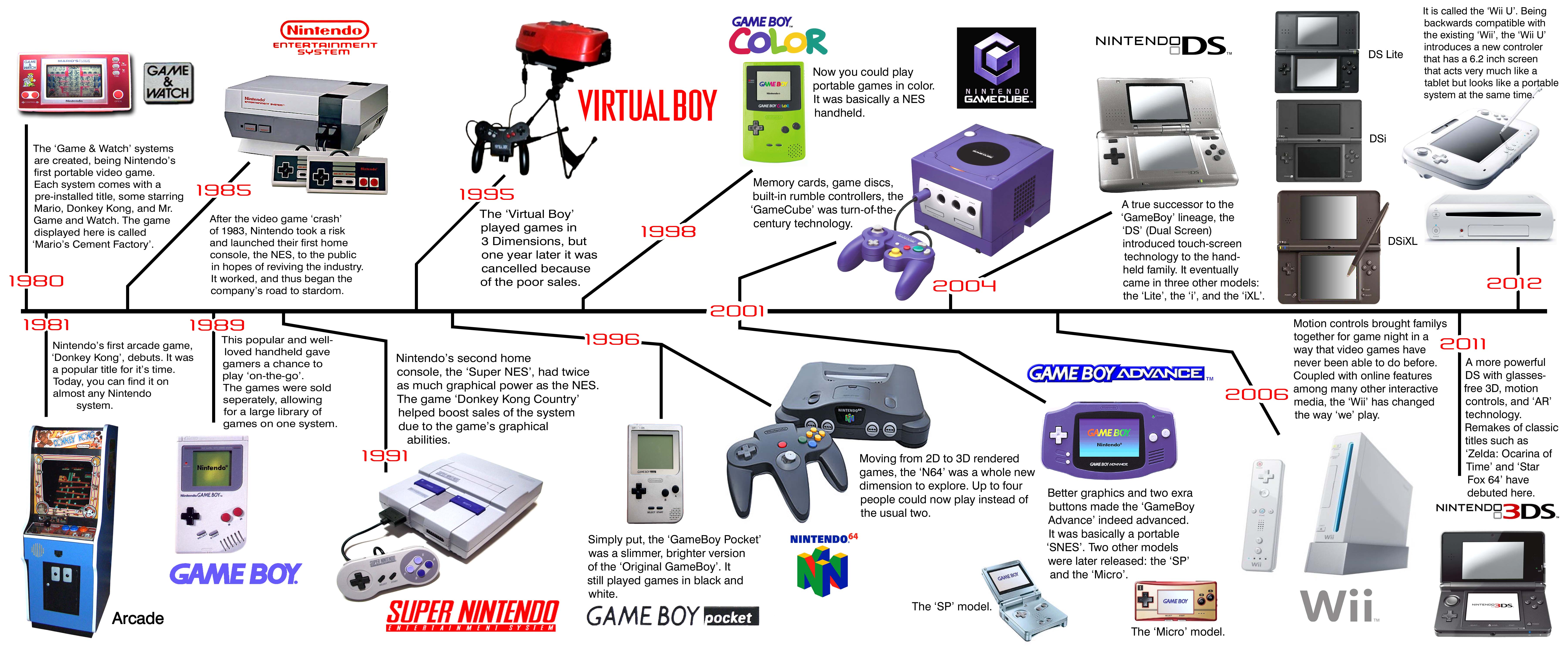
The 1980s saw the rise of home consoles, with companies like Nintendo, Sega, and later Sony recruit the marketplace. The Games Evolution Games industry was characterized by intense rivalry, often referred to as the "console wars". Nintendo's release of the Nintendo Entertainment System (NES) in 1985 revitalized the gaming industry after the video game crash of 1983. The NES introduced iconic characters like Mario and Zelda, set new standards for gameplay and storytelling.
Sega react with the Sega Genesis, which sport more progress graphics and faster process power. The rivalry between Nintendo and Sega was fierce, with each companionship releasing undivided titles to attract consumers. This competition drove innovation, leading to the development of more sophisticated games and hardware.
In the 1990s, Sony entered the market with the PlayStation, which quickly became a prevailing force. The PlayStation proffer 3D graphics and a various library of games, appealing to a broader hearing. This era also saw the rise of PC gaming, with titles like "Doom" and "Myst" pushing the boundaries of what was potential on personal computers.
The Rise of 3D Graphics and Online Gaming
The late 1990s and betimes 2000s marked a substantial shift in gaming with the advent of 3D graphics. Consoles like the Nintendo 64, PlayStation 2, and Xbox introduce immersive 3D environments, allowing for more complex and naturalistic gameplay. Games like "Super Mario 64", "Final Fantasy VII", and "Halo" became cultural phenomena, showcasing the possible of 3D graphics and storytelling.
This period also saw the rise of online gaming, with titles like "World of Warcraft" and "Counter Strike" creating vivacious online communities. The internet enabled players to connect and compete with each other in real time, transforming gage into a societal activity. Multiplayer games became a staple of the industry, with militant punt (esports) emerging as a significant trend.
The Modern Era: High Definition and Beyond
The 2010s brought high definition graphics and more potent hardware, with consoles like the PlayStation 4, Xbox One, and Nintendo Switch volunteer stunning visuals and advanced features. Games like "The Witcher 3", "Red Dead Redemption 2", and "The Legend of Zelda: Breath of the Wild" set new standards for storytelling, graphics, and gameplay.
Mobile stake also have a boom during this period, with smartphones and tablets become democratic gage platforms. Games like "Angry Birds", "Candy Crush Saga", and "Pokémon GO" make massive audiences, demonstrating the likely of mobile stake as a mainstream form of entertainment.
Virtual reality (VR) and augment reality (AR) technologies began to gain traction, offering immersive gaming experiences that blur the line between the digital and physical worlds. Games like "Beat Saber" and "Half Life: Alyx" showcased the potential of VR, while "Pokémon GO" generalise AR game.
The Future of Gaming: Trends and Innovations
The future of back is poised to be even more exciting, with several emerging trends and innovations on the horizon. Cloud back, which allows players to stream games over the internet without the need for potent hardware, is gaining popularity. Services like Google Stadia and NVIDIA GeForce Now are preeminent the way in this region, do high quality gaming more approachable.
Artificial intelligence (AI) is also play an increasingly important role in game development. AI driven characters and environments can make more dynamical and unpredictable gameplay experiences. Additionally, AI can be used to personalize gaming experiences, conform to individual players' preferences and skill levels.
Another trend is the integration of blockchain technology and non fungible tokens (NFTs) into punt. These technologies enable the creation of unequalled digital assets that players can own and trade, adding a new layer of value and possession to games. However, this region is still in its betimes stages and faces challenges related to scalability and regulation.
Finally, the metaverse is emerging as a concept that could revolutionize gaming. The metaverse refers to a partake practical space where users can interact, play games, and engage in diverse activities. Companies like Meta (erst Facebook) are investing heavily in this country, envisioning a future where the metaverse becomes a central hub for societal interaction and entertainment.
Here is a table summarizing the key phases of Games Evolution Games and their delimitate characteristics:
| Phase | Defining Characteristics | Key Games Technologies |
|---|---|---|
| Early Days | Simple pixelated graphics, canonic gameplay | Tennis for Two, Pong, Space Invaders, Pac Man |
| Console Wars | Home consoles, intense competition, iconic characters | Nintendo Entertainment System, Sega Genesis, Super Mario Bros., Sonic the Hedgehog |
| 3D Graphics and Online Gaming | Immersive 3D environments, online multiplayer | Nintendo 64, PlayStation 2, Xbox, World of Warcraft, Counter Strike |
| Modern Era | High definition graphics, mobile stake, VR AR | PlayStation 4, Xbox One, Nintendo Switch, The Witcher 3, Pokémon GO |
| Future Trends | Cloud gaming, AI, blockchain, metaverse | Google Stadia, NVIDIA GeForce Now, Beat Saber, Half Life: Alyx |
Note: The table provides a concise overview of the key phases in the evolution of games, highlighting the defining characteristics and renowned games or technologies associated with each phase.
to sum, the journey of Games Evolution Games from uncomplicated pixelated graphics to immersive virtual realism experiences has been nothing short of sinful. Each phase of this phylogeny has brought new technologies, innovative gameplay mechanics, and cultural impacts that have shaped the industry. As we look to the future, emerging trends like cloud gaming, AI, blockchain, and the metaverse prognosticate to keep advertize the boundaries of what is possible in gage. The gaming landscape is constantly evolve, and the next chapter of this exciting journey is sure to be fill with even more groundbreaking developments.
Related Terms:
- evolution video games
- evolution model game
- evolution model
- games where you evolve creatures
- evolution games pc
- list of evolution games