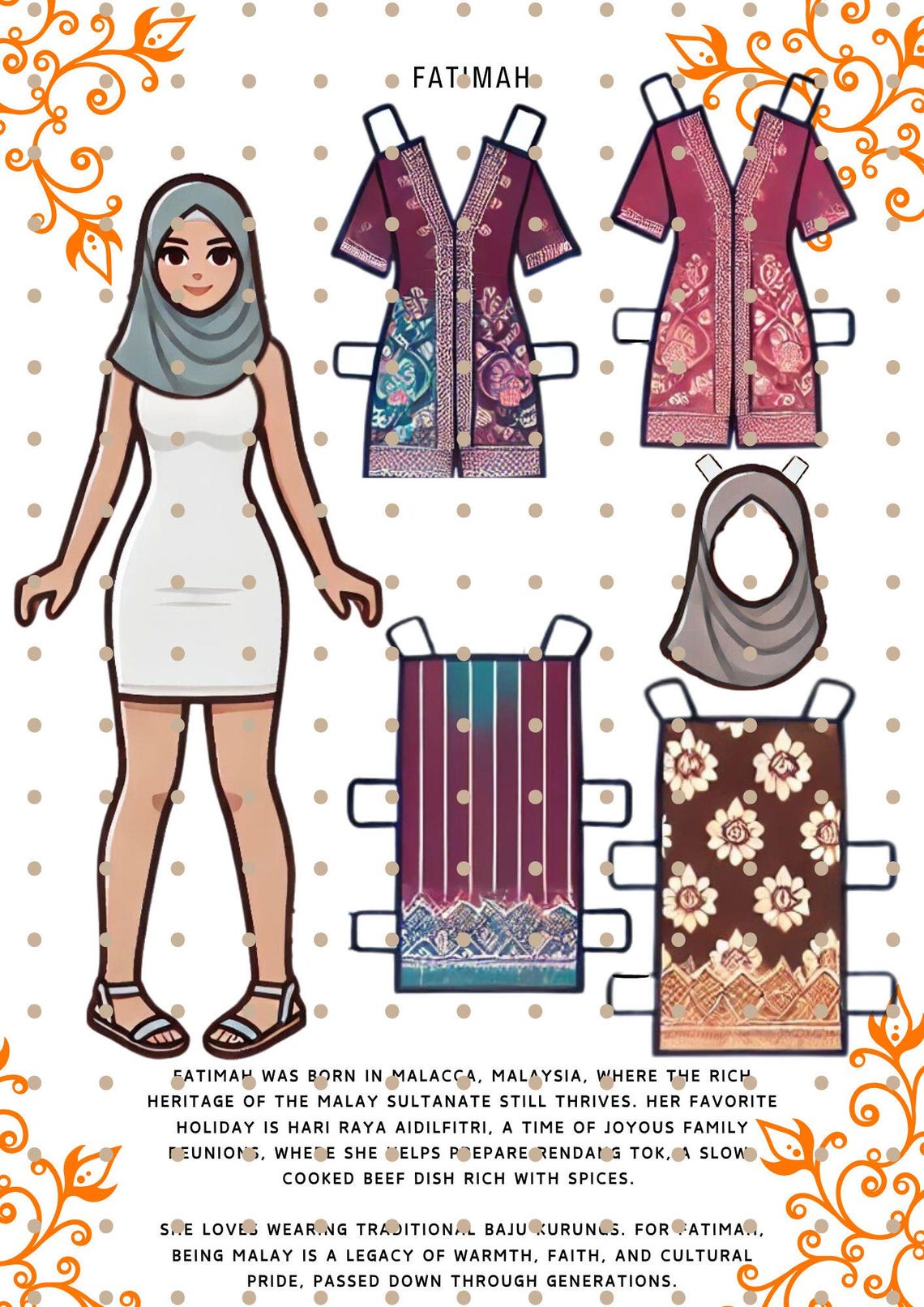

Creating a heritage doll project can be a profoundly rewarding experience, grant you to preserve and celebrate ethnical heritage through the art of doll create. Whether you are a seasoned craftsman or a beginner, the Heritage Doll Project Template provides a structured approach to wreak your ethnical heritage to life. This guide will walk you through the essential steps, from conceptualise your doll to the terminal touches, insure that your heritage doll is a beautiful and meaningful representation of your cultural roots.
Understanding the Heritage Doll Project Template
The Heritage Doll Project Template is a comprehensive guide contrive to help you create a doll that embodies the unique characteristics of your cultural heritage. This template includes detail instructions, materials lists, and design tips to ensure that your doll is both veritable and visually invoke. By following this template, you can create a doll that tells a story, preserves traditions, and honors your ethnic background.
Gathering Materials
Before you begin, it's crucial to gather all the necessary materials. The materials you need will depend on the specific design and style of your heritage doll. Here is a general list of materials you might postulate:
- Fabric: Choose fabrics that are traditional to your acculturation. This could include specific patterns, colors, or textures.
- Stuffing: Polyester fiberfill is a popular choice for doll stuffing, but you can also use cotton or wool.
- Thread: Select threads that match the fabric colors. You may postulate different colors for embroidery and sew.
- Needles and Pins: Ensure you have a variety of needles and pins for different tasks.
- Scissors: Sharp scissors are essential for swerve fabric and thread.
- Embroidery Floss: For bestow intricate details and patterns.
- Buttons and Beads: These can be used for decorative purposes and to add cultural meaning.
- Paint and Brushes: If you plan to paint any parts of the doll, such as the face or accessories.
- Pattern Paper: For creating and transferring patterns onto fabric.
Note: The specific materials you want will vary free-base on the design and ethnic elements you want to contain. Make a list of materials before you get to control you have everything you need.
Designing Your Heritage Doll
Designing your heritage doll is a creative process that involves researching and incorporating cultural elements. Here are the steps to follow:
- Research: Start by explore the ethnical elements you want to include. This could involve appear at traditional adorn, patterns, and symbols.
- Sketching: Create sketches of your doll, including the clothing, accessories, and any other details you want to include.
- Pattern Making: Use pattern newspaper to create templates for the different parts of the doll, such as the body, arms, and legs.
- Fabric Selection: Choose fabrics that are traditional to your culture. Consider the colors, patterns, and textures that are significant.
- Embroidery and Details: Plan any embroidery or decorative details you want to add. This could include patterns, symbols, or intricate designs.
Note: Take your time with the design summons. The more detailed and thoughtful your design, the more meaningful your heritage doll will be.
Creating the Doll Body
Once you have your design and materials ready, you can part make the doll body. Here are the steps to postdate:
- Cutting Patterns: Use your pattern templates to cut out the fabric pieces for the doll's body, arms, and legs.
- Sewing: Sew the fabric pieces together, leave an opening for lug.
- Stuffing: Fill the doll with thrust, see it is equally distributed.
- Closing: Sew the opening closed, making sure it is secure and neat.
- Shaping: Shape the doll's body to yield it the want form. You can use pins to hold the shape in range while it dries.
Note: Be measured not to overstuff the doll, as this can get it lumpy and uneven. Aim for a smooth, even shape.
Adding Cultural Details
Adding ethnic details is what makes your heritage doll unique and meaningful. Here are some ways to incorporate ethnic elements:
- Clothing: Use traditional fabrics and patterns to make the doll's clothing. This could include dresses, tunics, or other garments.
- Accessories: Add accessories that are significant to your acculturation, such as jewelry, headpieces, or belts.
- Embroidery: Use embroidery to add patterns, symbols, or designs that are meaningful to your acculturation.
- Paint and Decor: Paint or decorate the doll with cultural symbols or patterns. This could include henna designs, tribal patterns, or other significant motifs.
Note: The key to a successful heritage doll is authenticity. Make sure the cultural details you include are accurate and meaningful.
Final Touches
Once you have lend all the ethnic details, it's time for the net touches. Here are some steps to follow:
- Inspection: Inspect the doll for any loose threads, uneven seams, or other imperfections. Make any necessary adjustments.
- Finishing: Add any terminal details, such as buttons, beads, or other cosmetic elements.
- Display: Decide how you want to display your heritage doll. This could be in a special place in your home, as part of a cultural exhibit, or as a gift.
Note: The terminal touches are what create your heritage doll stand out. Take your time to see everything is perfect.
Documenting Your Heritage Doll Project
Documenting your heritage doll task is an first-class way to preserve the summons and share your story with others. Here are some tips for document your projection:
- Photography: Take photos at each stage of the task, from amass materials to the final touches.
- Journaling: Keep a journal of your thoughts, inspirations, and challenges throughout the projection.
- Video: Create a video document the entire process, from depart to finish.
- Storytelling: Write a story about your heritage doll, include the cultural significance and personal meaning behind it.
Note: Documenting your labor not only helps you remember the summons but also allows you to share your cultural heritage with others.
Sharing Your Heritage Doll
Sharing your heritage doll with others can be a rewarding experience. Here are some ways to share your task:
- Exhibits: Display your heritage doll in a cultural exhibit or museum.
- Workshops: Host workshops or classes where you teach others how to make their own heritage dolls.
- Social Media: Share photos and stories of your heritage doll on social media platforms.
- Gifts: Give your heritage doll as a gift to someone who appreciates ethnical heritage.
Note: Sharing your heritage doll can inspire others to explore and celebrate their own cultural heritage.
Cultural Significance of Heritage Dolls
Heritage dolls hold deep cultural significance. They serve as a touchable representation of a community's history, traditions, and values. By creating a heritage doll, you are save and celebrating your cultural identity. Here are some ways heritage dolls can be important:
- Preservation: Heritage dolls assist preserve ethnic traditions and practices that might otherwise be lost over time.
- Education: They can be used as educational tools to teach others about a particular culture, its history, and its customs.
- Identity: Heritage dolls can reinforce a sense of individuality and pride within a community, especially for younger generations.
- Connection: They can foster a sense of connecter and belong, both within a community and with other cultures.
Note: The cultural significance of heritage dolls goes beyond their aesthetic value. They are a powerful way to preserve and partake cultural heritage.
Examples of Heritage Dolls from Around the World
Heritage dolls can be found in diverse cultures around the existence, each with its singular characteristics and significance. Here are a few examples:
| Culture | Doll Name | Description |
|---|---|---|
| Mexican | Alebrijes | Colorful, fantastical creatures oftentimes made from papier mâché or wood, symbolize the spirit reality in Mexican folklore. |
| Japanese | Kokeshi | Traditional wooden dolls with simple, rounded forms and minimalist designs, oftentimes depicting children or young women. |
| African | Ashanti Dolls | Hand carved wooden dolls from the Ashanti people of Ghana, much used in rituals and as educational tools for children. |
| Indian | Rathwa Dolls | Traditional dolls from the Rathwa tribe of Gujarat, known for their intricate embroidery and vivacious colors, often portray local deities and cultural scenes. |
Note: Each acculturation has its unique heritage dolls, reflecting its history, traditions, and artistic styles.
Inspiration for Your Heritage Doll Project
Finding brainchild for your heritage doll project can get from various sources. Here are some ideas to help you get commence:
- Research: Look into the history and traditions of your acculturation. This can provide a wealth of ideas for your doll's design and details.
- Nature: Draw inspiration from the natural world, such as plants, animals, and landscapes that are substantial to your acculturation.
- Art and Literature: Explore traditional art, literature, and folklore from your culture. These can provide rich sources of inspiration.
- Community: Talk to elders and community members who can partake stories, traditions, and ethnical practices that you can contain into your doll.
- Travel: If potential, visit places that are significant to your acculturation. This can supply firsthand brainchild and a deeper understanding of your ethnical heritage.
Note: Inspiration can come from many places. The key is to stay true to your ethnical heritage and let your creativity flow.
Challenges and Solutions in Creating a Heritage Doll
Creating a heritage doll can present various challenges, but with the right approach, these can be overcome. Here are some mutual challenges and solutions:
- Material Availability: Finding traditional materials can be difficult, specially if you live far from your ethnical community. Solution: Look for online suppliers or local craft stores that narrow in cultural materials.
- Time Management: Creating a heritage doll can be time consuming. Solution: Break the projection into smaller, manageable tasks and set a naturalistic timeline.
- Cultural Accuracy: Ensuring that your doll is culturally accurate can be challenge. Solution: Consult with ethnic experts or community members to control the authenticity of your design.
- Technical Skills: If you are new to doll making, you may face technological challenges. Solution: Take workshops or online courses to improve your skills and techniques.
Note: Challenges are a natural part of any creative project. Stay patient and persistent, and don't waver to try help when ask.
The Impact of Heritage Dolls on Cultural Preservation
Heritage dolls play a crucial role in cultural saving. They facilitate keep traditions alive and pass them on to futurity generations. Here are some ways heritage dolls contribute to cultural saving:
- Educational Tool: Heritage dolls can be used in schools and cultural centers to teach children about their ethnical heritage.
- Community Engagement: Creating and sharing heritage dolls can foster a sense of community and pride among ethnic groups.
- Cultural Exchange: Heritage dolls can be a means of ethnic exchange, permit different cultures to hear from and value each other.
- Artistic Expression: Heritage dolls provide a program for artistic expression, permit creators to explore and observe their cultural identity.
Note: The impact of heritage dolls on cultural saving is profound. They help keep traditions alive and inspire hereafter generations to embrace their ethnic heritage.
Future Trends in Heritage Doll Making
The art of heritage doll making is evolving, with new trends and techniques emerging. Here are some future trends to watch for:
- Digital Integration: The use of digital tools and technologies, such as 3D printing and virtual realism, is turn more prevalent in doll do.
- Sustainable Materials: There is a turn trend towards using sustainable and eco friendly materials in doll do.
- Cultural Fusion: More creators are experimenting with cultural fusion, blending elements from different cultures to make unequaled and groundbreaking dolls.
- Interactive Dolls: The development of interactive dolls, which can respond to touch or voice commands, is an exciting trend in the domain of doll get.
Note: The future of heritage doll making is bright, with new technologies and trends pushing the boundaries of creativity and cultural reflexion.
Creating a heritage doll using the Heritage Doll Project Template is a journey of discovery, creativity, and cultural pride. By following the steps outlined in this guidebook, you can create a doll that not only reflects your cultural heritage but also tells a story and preserves traditions for future generations. The process of project, creating, and sharing your heritage doll is a deeply rewarding experience that connects you to your roots and inspires others to do the same. Whether you are a seasoned craftsman or a tiro, the Heritage Doll Project Template provides a structured approach to take your ethnical heritage to life, see that your doll is a beautiful and meaningful representation of your cultural individuality. The key to a successful heritage doll undertaking is legitimacy, care to detail, and a deep respect for the ethnic traditions you are preserving. By squeeze these principles, you can make a heritage doll that stands the test of time and continues to inspire and educate futurity generations.
Related Terms:
- latino heritage newspaper doll projection
- heritage doll undertaking instructions
- heritage doll school project pinterest
- heritage doll project ideas
- multicultural theme doll project
- heritage doll projects for families