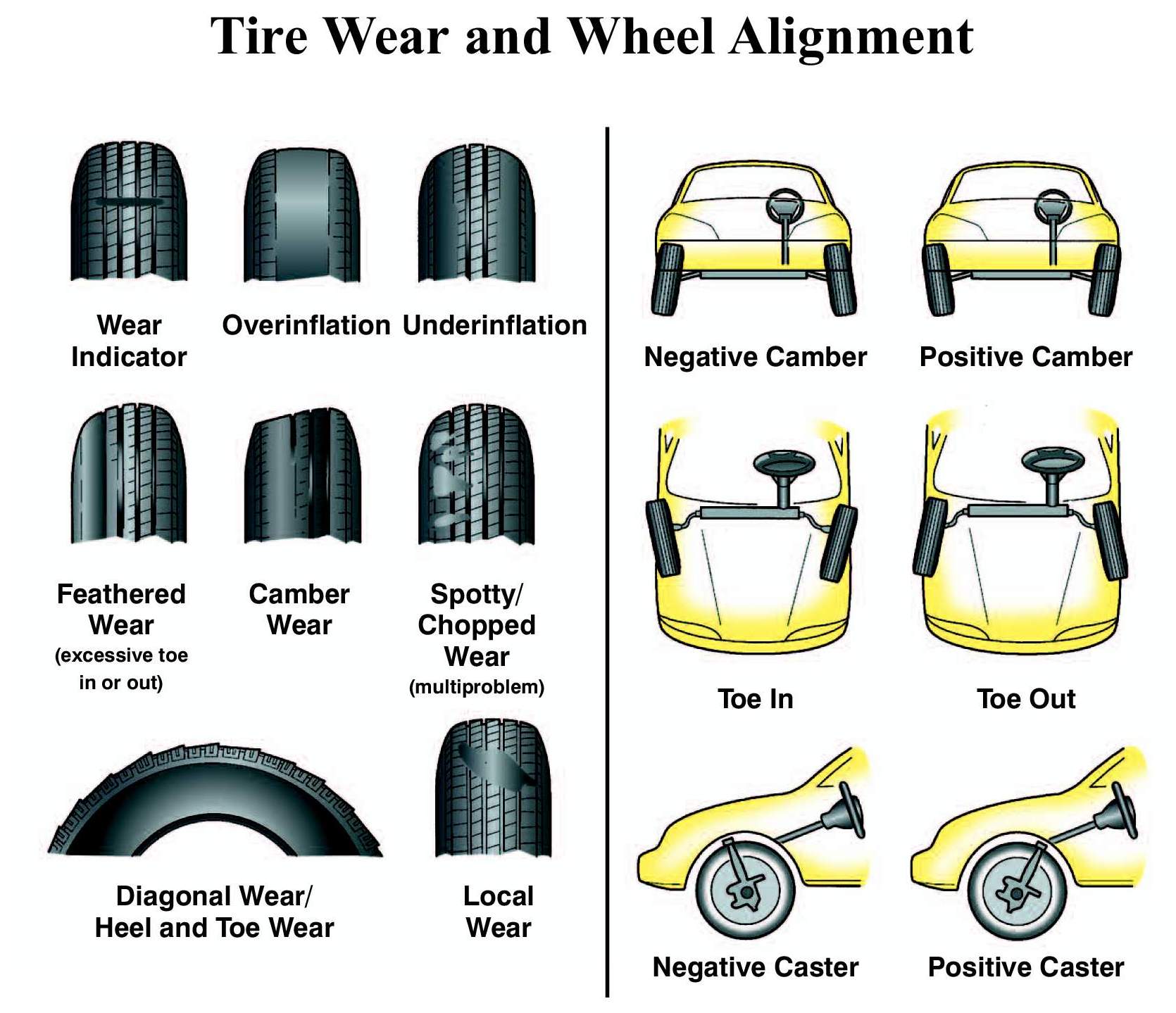

Maintaining your vehicle's execution and safety is crucial, and one of the most significant aspects of this care is ensuring proper wheel alignment. Wheel alignment, oftentimes referred to as Lifetime Wheel Alignment, is a service that many vehicle owners opt for to keep their cars running swimmingly and safely over the long term. This service involves adjusting the angles of the wheels so that they are parallel to each other and perpendicular to the ground. Proper alignment not only enhances the vehicle's handling and stability but also extends the lifespan of the tires, improves fuel efficiency, and ensures a sander ride.
Understanding Wheel Alignment
Wheel alignment is the procedure of adjusting the angles of the wheels to the manufacturer's specifications. There are three independent angles that are adjusted during a wheel alignment:
- Caster: This is the angle of the steering pivot as seen from the side of the vehicle. It affects the steering constancy and cornering.
- Camber: This is the angle of the wheel as seen from the front of the vehicle. It affects tire wear and handling.
- Toe: This is the angle of the tires as seen from above the vehicle. It affects tire wear and straight line tracking.
When these angles are not decent adjusted, it can lead to a variety of issues, including uneven tire wear, poor plow, and increased fuel use. Regular Lifetime Wheel Alignment checks and adjustments can prevent these problems and ensure that your vehicle performs optimally.
Benefits of Lifetime Wheel Alignment
Opting for Lifetime Wheel Alignment offers several benefits that get it a worthwhile investment for vehicle owners. Some of the key advantages include:
- Extended Tire Life: Properly aligned wheels control even tire wear, which means your tires will last thirster. This can save you money on frequent tire replacements.
- Improved Fuel Efficiency: When your wheels are aligned right, your vehicle experiences less rolling resistivity, which can improve fuel efficiency.
- Enhanced Handling and Safety: Proper alignment ensures that your vehicle handles better, peculiarly during tree and brake. This enhances overall safety.
- Smoother Ride: Misaligned wheels can induce vibrations and a rough ride. Regular alignment checks can control a sander and more comfortable driving experience.
When to Get a Wheel Alignment
There are several situations where it is advisable to get a wheel alignment check. Some of these include:
- After strike a pothole or curb.
- If you notice uneven tire wear.
- If your vehicle pulls to one side while drive.
- If the channelise wheel is off center when drive straight.
- After supplant abeyance or steering components.
- As part of regular maintenance, particularly if you opt for Lifetime Wheel Alignment.
Regular checks and adjustments can prevent youngster issues from becoming major problems, ensuring that your vehicle remains safe and reliable.
The Wheel Alignment Process
The wheel alignment process involves several steps to ensure that the angles of the wheels are adjusted to the manufacturer's specifications. Here is a detail overview of the process:
- Inspection: The technician will inspect the vehicle's suspension and head components to check they are in good condition.
- Measurement: The vehicle is rank on an alignment machine, which measures the current angles of the wheels.
- Adjustment: Based on the measurements, the technician adjusts the angles of the wheels to the manufacturer's specifications. This may involve adjusting the bank, caster, and toe angles.
- Verification: After the adjustments, the technician will re measure the angles to ascertain they are within the specified range.
- Test Drive: A test motor is bear to check that the vehicle handles decent and that the alignment is correct.
Note: The exact summons may vary depending on the get and model of the vehicle, as easily as the type of alignment machine used.
Types of Wheel Alignment
There are different types of wheel alignment services usable, each accommodate to different needs and budgets. The most common types include:
- Two Wheel Alignment: This type of alignment adjusts the front wheels only. It is suitable for vehicles with solid rear axles.
- Four Wheel Alignment: This type of alignment adjusts all four wheels. It is recommend for vehicles with independent rear suspensions.
- Thrust Angle Alignment: This type of alignment is used for vehicles with solid rear axles. It ensures that the rear axle is parallel to the centerline of the vehicle.
When opting for Lifetime Wheel Alignment, it is important to choose the type of alignment that best suits your vehicle's needs.
Cost Considerations
The cost of wheel alignment can vary depending on various factors, include the type of alignment, the make and model of the vehicle, and the location of the service center. Here is a breakdown of the distinctive costs associated with wheel alignment:
| Type of Alignment | Average Cost |
|---|---|
| Two Wheel Alignment | 75 150 |
| Four Wheel Alignment | 100 200 |
| Thrust Angle Alignment | 100 200 |
While the cost of Lifetime Wheel Alignment may seem high, it is important to consider the long term benefits, such as run tire life, improved fuel efficiency, and enhanced safety. Regular alignment checks can salvage you money in the long run by prevent costly repairs and replacements.
Maintaining Proper Wheel Alignment
To ensure that your vehicle maintains proper wheel alignment, it is important to postdate some canonic alimony tips. These include:
- Regularly inspect your tires for uneven wear.
- Avoid strike potholes and curbs.
- Follow the manufacturer's recommended alimony schedule.
- If you notice any cover issues, such as attract to one side or vibrations, have your alignment see immediately.
By follow these tips and opting for Lifetime Wheel Alignment, you can insure that your vehicle remains safe, true, and effective.
Common Misconceptions About Wheel Alignment
There are several misconceptions about wheel alignment that can take to discombobulation and misinformation. Some of the most common misconceptions include:
- Wheel Alignment and Tire Rotation Are the Same: While both services are important for tire alimony, they are not the same. Tire rotation involves moving the tires to different positions on the vehicle to guarantee even wear, while wheel alignment adjusts the angles of the wheels.
- Wheel Alignment Only Affects Tire Wear: Proper wheel alignment not only affects tire wear but also improves treat, fuel efficiency, and overall safety.
- Wheel Alignment Is Only Needed After an Accident: While it is significant to check your alignment after an accident, regular alignment checks are also necessary to maintain proper vehicle performance.
Understanding these misconceptions can facilitate you create inform decisions about your vehicle's maintenance needs.
In summary, Lifetime Wheel Alignment is a crucial aspect of vehicle alimony that offers legion benefits, include extend tire life, improved fuel efficiency, enhance handling, and a smoother ride. By realise the importance of proper wheel alignment and follow regular maintenance tips, you can check that your vehicle remains safe, true, and effective. Regular alignment checks and adjustments can prevent kid issues from becoming major problems, saving you money in the long run. Whether you opt for two wheel, four wheel, or thrust angle alignment, control that your wheels are decent aligned is indispensable for maintaining your vehicle s execution and safety.
Related Terms:
- lifetime wheel alignment firestone
- who offers lifetime wheel alignment
- lifetime wheel alignment firestone cost
- best lifetime wheel alignment deals
- wheel alignment near me
- lifetime wheel alignment cost