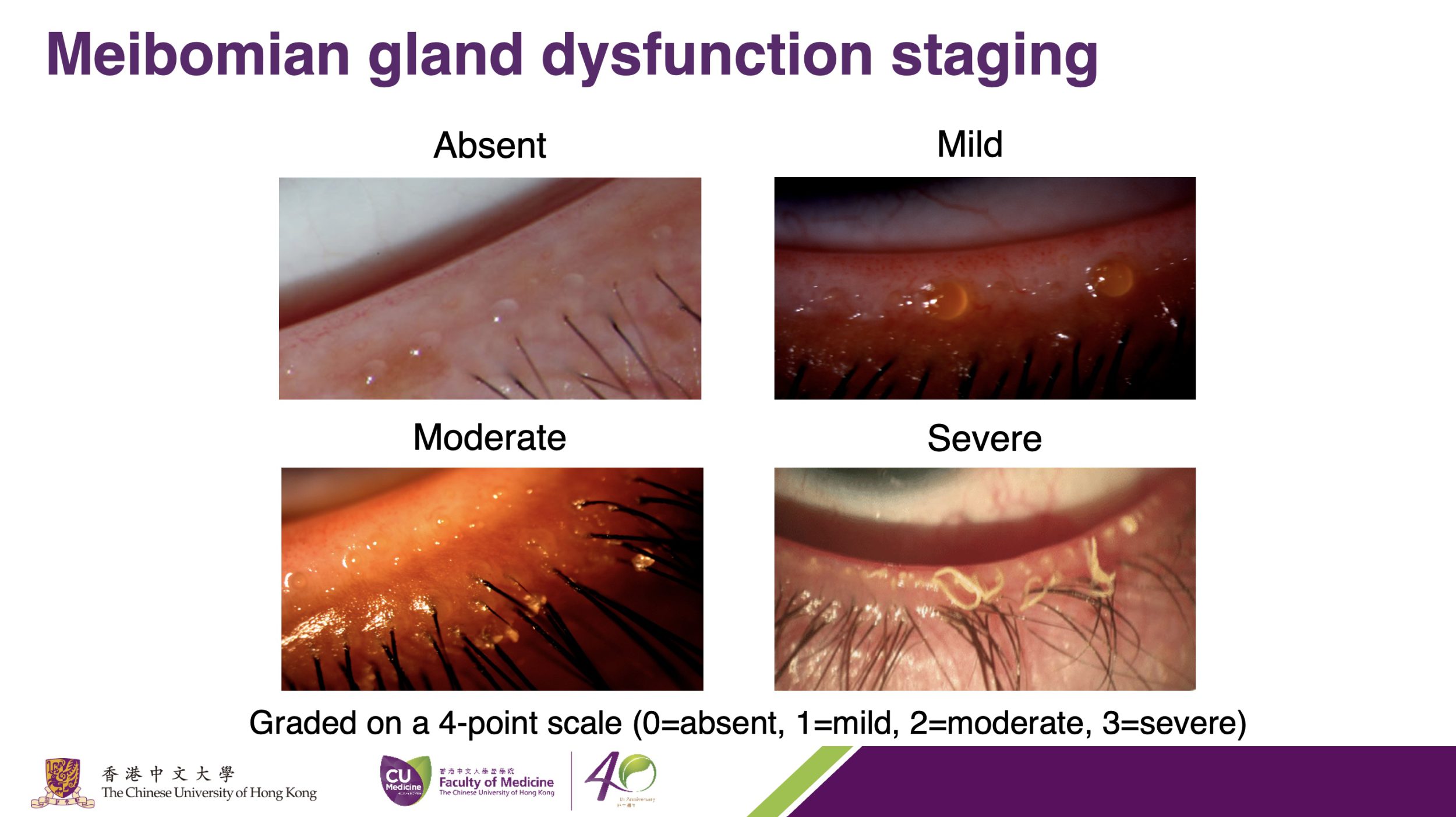

Meibomian Eye Gland Dysfunction (MGD) is a mutual condition that affects the meibomian glands, which are responsible for producing the oily stratum of the tear film. This condition can leave to a variety of symptoms, including dry eyes, inflammation, and discomfort. Understanding MGD, its causes, symptoms, and treatment options is important for grapple this status efficaciously.
Understanding Meibomian Eye Gland Dysfunction
Meibomian Eye Gland Dysfunction occurs when the meibomian glands turn blocked or inflame, leading to a reduction in the product of the oily layer of the tear film. This oily layer is essential for preventing the evaporation of tears and maintaining the constancy of the tear film. When this stratum is compromised, it can result in dry eyes and other concern symptoms.
Causes of Meibomian Eye Gland Dysfunction
The exact causes of Meibomian Eye Gland Dysfunction are not fully understood, but respective factors are consider to contribute to its development:
- Age: The risk of developing MGD increases with age as the meibomian glands can turn less functional over time.
- Hormonal Changes: Hormonal fluctuations, particularly in women during menopause, can involve the function of the meibomian glands.
- Environmental Factors: Exposure to smoke, dust, and other environmental irritants can contribute to the development of MGD.
- Medications: Certain medications, such as antihistamines and birth control pills, can affect tear product and contribute to MGD.
- Contact Lens Use: Prolonged use of contact lenses can irritate the meibomian glands and result to disfunction.
- Blepharitis: This is an excitation of the eyelids that can affect the meibomian glands and contribute to MGD.
Symptoms of Meibomian Eye Gland Dysfunction
Meibomian Eye Gland Dysfunction can manifest in various ways, and the symptoms can vary in severity. Common symptoms include:
- Dry Eyes: A experience of dryness or gritty sensation in the eyes.
- Redness: Redness and irritation of the eyes.
- Burning or Stinging: A burning or stinging sensation in the eyes.
- Blurred Vision: Temporary blurred vision, especially after prolonged read or screen time.
- Eyelid Swelling: Swelling or inflammation of the eyelids.
- Crusting: Crusting or peel around the eyelids, especially in the morning.
Diagnosing Meibomian Eye Gland Dysfunction
Diagnosing Meibomian Eye Gland Dysfunction typically involves a comprehensive eye interrogatory. The eye care professional may perform the follow tests:
- Slit Lamp Examination: This involves using a specialized microscope to examine the eyelids and meibomian glands for signs of blockage or inflammation.
- Tear Break Up Time (TBUT) Test: This test measures how cursorily the tear film breaks up after blink, which can indicate the stability of the tear film.
- Schirmer's Test: This test measures the amount of tears produced by the eyes, which can aid determine if there is a deficiency in tear product.
- Meibomian Gland Expression: This involves lightly squelch the meibomian glands to assess the caliber and measure of the oil produce.
Treatment Options for Meibomian Eye Gland Dysfunction
Treatment for Meibomian Eye Gland Dysfunction aims to improve the mapping of the meibomian glands and facilitate symptoms. Various treatment options are usable, including:
Lifestyle Changes
Making certain lifestyle changes can help manage Meibomian Eye Gland Dysfunction:
- Avoiding Irritants: Reducing exposure to smoke, dust, and other environmental irritants.
- Hydration: Staying hydrate by drinking plenty of h2o.
- Breaks from Screens: Taking regular breaks from figurer screens and other digital devices to cut eye strain.
Artificial Tears and Ointments
Using contrived tears and ointments can aid lubricate the eyes and alleviate symptoms of dryness and irritation. These products are available over the counter and can be used as demand.
Warm Compresses
Applying warm compresses to the eyelids can help unclog the meibomian glands and improve oil flow. This can be done by pluck a clean cloth in warm water and grade it over the closed eyes for several minutes.
Note: Be measured not to burn the skin with h2o that is too hot.
Eyelid Hygiene
Maintaining full eyelid hygiene is essential for contend Meibomian Eye Gland Dysfunction. This includes:
- Gentle Cleansing: Using a mild cleanser to gently clean the eyelids and remove any crusting or debris.
- Massage: Gently knead the eyelids to excite the meibomian glands and amend oil flow.
Medications
In some cases, medications may be prescribed to cope Meibomian Eye Gland Dysfunction. These can include:
- Antibiotics: Topical antibiotics may be prescribed to treat any underlie bacterial infections.
- Steroids: Topical steroids may be used to cut fervour and improve gland function.
- Omega 3 Supplements: Omega 3 fatty acids can help improve the quality of the tear film and trim symptoms of dry eyes.
Procedures
For more severe cases of Meibomian Eye Gland Dysfunction, various procedures may be recommended:
- Intense Pulsed Light (IPL) Therapy: This non invasive routine uses light energy to ameliorate blood flow and reduce inflammation in the meibomian glands.
- Meibomian Gland Expression: This function involves manually expressing the meibomian glands to remove any blockages and improve oil flow.
- Thermal Pulsation: This procedure uses heat and gentle pressure to unclog the meibomian glands and better their function.
Preventing Meibomian Eye Gland Dysfunction
While Meibomian Eye Gland Dysfunction cannot always be keep, there are steps you can take to cut your risk:
- Regular Eye Exams: Scheduling regular eye exams can help detect any early signs of MGD and allow for prompt treatment.
- Proper Eyelid Hygiene: Maintaining good eyelid hygiene can help prevent the buildup of debris and reduce the risk of gland blockage.
- Avoiding Irritants: Reducing exposure to environmental irritants can help protect the meibomian glands and maintain their mapping.
- Balanced Diet: Consuming a balanced diet rich in omega 3 fatty acids can facilitate improve the quality of the tear film and reduce the risk of MGD.
Living with Meibomian Eye Gland Dysfunction
Living with Meibomian Eye Gland Dysfunction can be gainsay, but with the right management strategies, it is possible to alleviate symptoms and improve caliber of life. Here are some tips for living with MGD:
- Consistent Treatment: Following a consistent treatment programme as commend by your eye care professional can assist manage symptoms and prevent flare ups.
- Regular Follow Ups: Scheduling regular follow up appointments with your eye care professional can help reminder your condition and adjust treatment as need.
- Support Groups: Joining endorse groups for people with MGD can render valuable information, emotional endorse, and hardheaded tips for managing the status.
Meibomian Eye Gland Dysfunction is a complex precondition that requires a comprehensive approach to management. By understand the causes, symptoms, and treatment options, individuals can guide proactive steps to manage their condition and amend their overall eye health. Regular eye exams, proper eyelid hygiene, and a balance diet can all contribute to keep the health of the meibomian glands and preventing the development of MGD. With the right care and management, individuals with Meibomian Eye Gland Dysfunction can direct fulfilling lives and enjoy better eye comfort and vision.
Related Terms:
- meibomian glands of the eyelid
- meibomian glands lid
- meibomian gland dysfunction capping
- meibomian gland disfunction have
- what is meibomian gland
- meibomian gland disfunction eyewiki