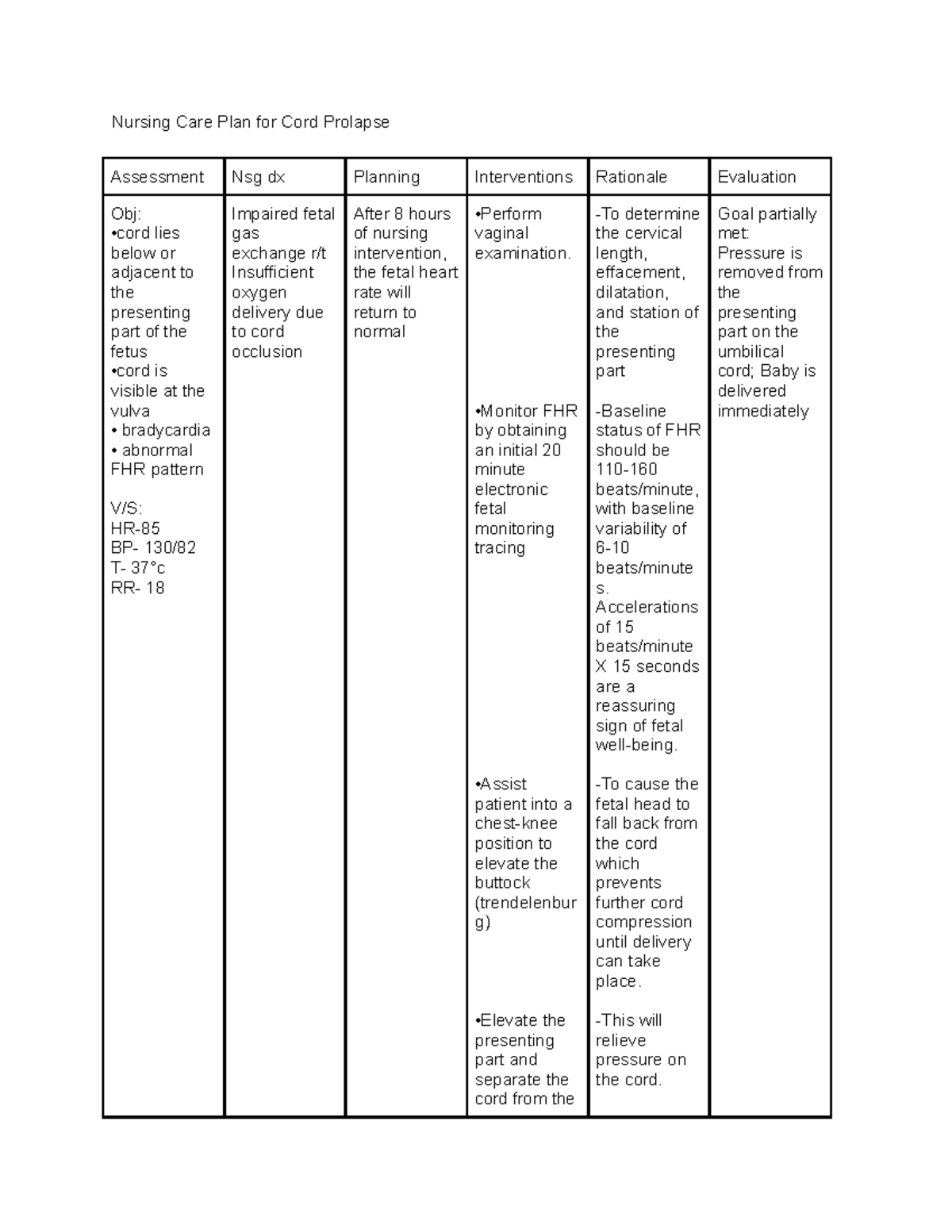

Prolapse of the cord, also known as umbilical cord prolapse, is a rare but serious obstetric emergency that occurs when the umbilical cord descends through the cervix ahead of the baby during childbed. This condition can compromise the baby's oxygen supply, leading to possible complications if not cope pronto. Understanding the causes, symptoms, risk factors, and management strategies for prolapse of the cord is essential for healthcare providers and enceinte parents alike.
Understanding Prolapse of the Cord
Prolapse of the cord is a medical emergency that requires immediate intervention. The umbilical cord, which supplies the fetus with oxygen and nutrients, can become compressed or twisted when it descends through the cervix before the baby. This compression can restrict blood flow, leading to foetal distress and potential harm to the baby.
Causes of Prolapse of the Cord
The exact stimulate of prolapse of the cord is not always clear, but various factors can increase the risk:
- Premature Rupture of Membranes (PROM): When the amniotic sac breaks before labor begins, it can allow the umbilical cord to slip down into the birth canal.
- Malpresentation: Babies in breech or transverse positions are at higher risk because the presenting part (e. g., the buttocks or feet) does not efficaciously block the cord from derive.
- Polyhydramnios: Excessive amniotic fluid can make more space in the uterus, allowing the cord to prolapse.
- Multiple Gestations: In cases of twins or higher order multiples, the risk of prolapse of the cord is increase due to the crowd uterine environment.
Symptoms of Prolapse of the Cord
Recognizing the symptoms of prolapse of the cord is all-important for prompt interposition. Common symptoms include:
- Fetal Distress: Changes in the baby's heart rate, often detected through fetal monitoring, can bespeak that the cord is compressed.
- Visible Cord: In some cases, the umbilical cord may be visible or tangible through the vagina.
- Abdominal Pain: The mother may experience sudden, severe abdominal pain.
- Vaginal Bleeding: Although not always stage, vaginal phlebotomize can occur.
Risk Factors for Prolapse of the Cord
Certain factors can increase the likelihood of prolapse of the cord. These include:
- Previous History: Women who have had a former prolapse of the cord are at higher risk.
- Cesarean Delivery: A history of cesarean delivery can increase the risk due to changes in the uterine scar tissue.
- Fetal Anomalies: Babies with certain inborn anomalies may be at higher risk.
- Placental Abnormalities: Conditions such as placenta previa can increase the risk.
Diagnosis of Prolapse of the Cord
Diagnosing prolapse of the cord involves a combination of clinical exam and symptomatic tests. Healthcare providers may use the postdate methods:
- Vaginal Examination: A gentle vaginal exam can aid regulate if the cord is tangible.
- Fetal Monitoring: Continuous fetal heart rate monitoring can detect signs of fetal distress.
- Ultrasound: In some cases, an ultrasound may be used to image the place of the cord.
Management and Treatment of Prolapse of the Cord
Prolapse of the cord requires immediate medical interposition to prevent fetal harm. The primary goal is to relieve pressing on the cord and deliver the baby as speedily as possible. Management strategies include:
- Emergency Cesarean Delivery: In most cases, an emergency cesarean delivery is performed to chop-chop deliver the baby and relieve pressing on the cord.
- Manual Replacement of the Cord: In some situations, the healthcare provider may attempt to manually replace the cord back into the uterus, but this is less common.
- Positioning the Mother: The mother may be put with her hips elevated to reduce pressure on the cord.
- Fetal Monitoring: Continuous monitor of the baby's heart rate is indispensable to assess the strength of the interventions.
Note: Immediate action is essential in cases of prolapse of the cord. Delayed intervention can result to severe fetal distress and potential long term complications.
Prevention of Prolapse of the Cord
While not all cases of prolapse of the cord can be prevent, certain measures can cut the risk:
- Regular Prenatal Care: Regular check ups can assist identify risk factors betimes.
- Monitoring Amniotic Fluid Levels: Keeping an eye on amniotic fluid levels can help detect polyhydramnios.
- Avoiding Premature Rupture of Membranes: If possible, avoiding activities that could result to premature rupture of membranes.
- Cesarean Delivery for High Risk Cases: In some high risk situations, a design cesarean delivery may be recommended.
Long Term Effects and Complications
Prompt management of prolapse of the cord can minimize long term effects and complications. However, if not treated apace, the following issues may arise:
- Fetal Hypoxia: Reduced oxygen supply to the baby can conduct to hypoxia, which can stimulate brain damage or even death.
- Neurological Issues: Prolonged lack of oxygen can answer in neurologic problems for the baby.
- Maternal Complications: Emergency interventions, such as cesarean delivery, can carry their own risks for the mother.
Note: Early spotting and prompt intervention are key to preventing long term complications associated with prolapse of the cord.
Support and Resources for Parents
Dealing with a prolapse of the cord can be emotionally dispute for parents. Support and resources are available to facilitate navigate this difficult time:
- Counseling Services: Professional counseling can furnish emotional support and assist parents cope with the stress.
- Support Groups: Joining endorse groups for parents who have experienced similar situations can offer a sense of community and partake interpret.
- Educational Resources: Accessing dependable info and educational materials can help parents better understand the stipulation and its management.
Prolapse of the cord is a dangerous but accomplishable precondition with prompt and seize medical intervention. Understanding the causes, symptoms, and risk factors can aid healthcare providers and gravid parents recognize and respond to this emergency effectively. Regular antepartum care, early detection, and timely interference are crucial for minimise the risks and ensuring the best potential outcomes for both the mother and the baby.
Related Terms:
- treatment for umbilical cord prolapse
- cord prolapse signs and symptoms
- what causes umbilical cord prolapse
- what is prolapse umbilical cord
- umbilical cord prolapse guidelines
- umbilical cord prolapse treatment guidelines