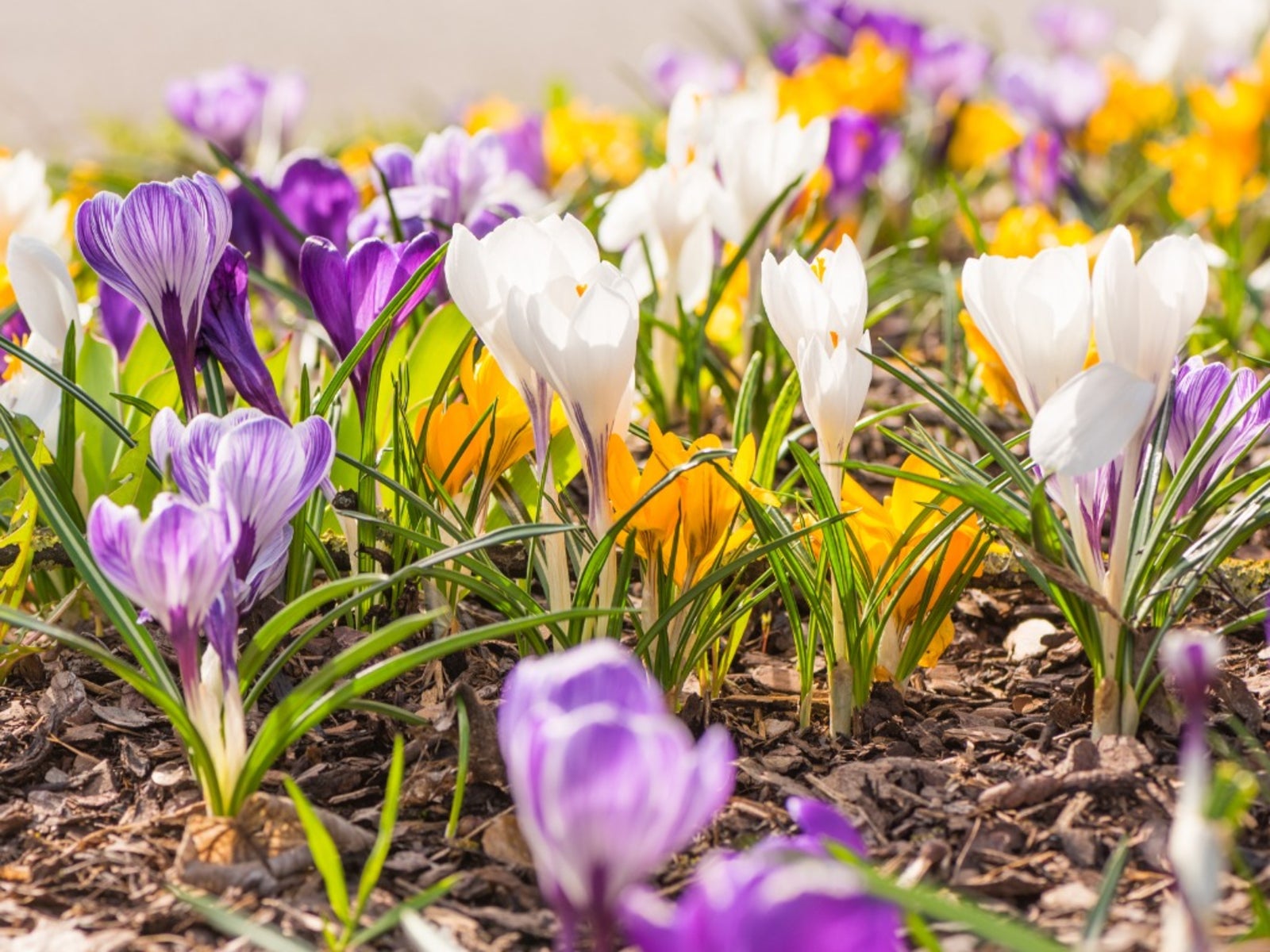

Spring bulb flowers are a delightful increase to any garden, bringing vivacious colors and a burst of life after the long wintertime months. These hardy plants are not only beautiful but also relatively easy to care for, get them a favorite among gardeners of all skill levels. Whether you're a seasoned nurseryman or just get out, translate the basics of engraft and care for spring bulb flowers can help you make a stupefy display in your garden.
Understanding Spring Bulb Flowers
Spring bulb flowers are repeated plants that grow from underground storage organs called bulbs. These bulbs store nutrients and energy, countenance the plant to survive through the winter and bloom in the spring. Some of the most democratic bounce bulb flowers include:
- Tulips
- Daffodils
- Crocuses
- Hyacinths
- Alliums
Each of these flowers has its unique characteristics and care requirements, but they all partake the common trait of blossom in the spring.
Choosing the Right Bulbs
When selecting bounce bulb flowers for your garden, it's essential to choose high character bulbs. Look for bulbs that are firm, plump, and free of any signs of mold or damage. The size of the bulb can also signal the health and vigor of the plant. Larger bulbs generally produce more robust and healthier plants.
It's also crucial to regard the coloration and variety of the bulbs you opt. Mixing different colors and types of spring bulb flowers can create a visually appealing and dynamic garden display. Some democratic coloration combinations include:
- Yellow and purple
- Pink and white
- Red and orange
Additionally, consider the height and bloom time of the bulbs. Planting bulbs with different bloom times can extend the flower season and control that your garden remains vivacious throughout the spring.
Planting Spring Bulb Flowers
Planting leap bulb flowers is a straightforward summons, but it requires some contrive and preparation. Here are the steps to postdate:
Selecting a Location
Choose a location in your garden that receives at least six hours of sunlight per day. Most recoil bulb flowers thrive in full sun, but some varieties can tolerate fond shade. Ensure the soil is good drain, as bulbs are susceptible to rot in waterlogged conditions.
Preparing the Soil
Prepare the soil by withdraw any weeds or debris and loosening it to a depth of at least 8 12 inches. Add compost or good waste manure to amend soil fertility and drainage. A soil pH between 6. 0 and 7. 0 is ideal for most jump bulb flowers.
Planting the Bulbs
Plant the bulbs at a depth that is two to three times their height. for instance, if a bulb is 2 inches tall, plant it 4 6 inches deep. Space the bulbs consort to the package instructions, typically 3 6 inches apart. Place the bulb in the hole with the orient end confront up and cover it with soil. Water the area good after institute.
Here is a table to help you determine the planting depth and spacing for common spring bulb flowers:
| Bulb Type | Planting Depth (inches) | Spacing (inches) |
|---|---|---|
| Tulips | 6 8 | 4 6 |
| Daffodils | 6 8 | 4 6 |
| Crocuses | 3 4 | 2 3 |
| Hyacinths | 4 6 | 3 4 |
| Alliums | 6 8 | 6 8 |
Note: Avoid implant bulbs in areas where the soil remains wet for extended periods, as this can result to bulb rot.
Caring for Spring Bulb Flowers
Once your form bulb flowers are planted, they involve minimal care to thrive. Here are some crucial tips for like for your bulbs:
Watering
Water your bulbs thoroughly after implant and keep the soil consistently moist but not waterlogged. During the growing season, water the bulbs deeply once a week, adjusting for rainfall. Reduce watering as the foliage begins to yellow and die back.
Fertilizing
Apply a equilibrise, slow release fertiliser in the reverberate as the bulbs begin to emerge. Follow the package instructions for the correct application rate. Avoid over fertilise, as this can guide to unreasonable foliage growth at the expense of flower product.
Mulching
Apply a layer of organic mulch around the base of the plants to help retain wet, suppress weeds, and regulate soil temperature. A 2 3 inch layer of mulch is sufficient. Remove the mulch in the spring to allow the soil to warm up and promote bulb growth.
Deadheading and Foliage Care
Remove spent flowers to prevent the plant from expending energy on seed production. Allow the foliage to die back naturally, as the leaves proceed to photosynthesize and store energy in the bulb for the next growing season. Do not cut back the foliage until it has become yellow and withered.
Note: Avoid tying or pleach the foliage, as this can restrict the plant's ability to photosynthesize and store energy.
Common Pests and Diseases
Spring bulb flowers are generally immune to pests and diseases, but they can occasionally be involve by certain issues. Here are some common problems to watch for:
Pests
- Squirrels and Rodents: These animals can dig up and eat bulbs. Use hardware cloth or wire mesh to protect the bulbs from being dug up.
- Aphids and Thrips: These modest insects can suck the sap from the plants, make wilting and discoloration. Use insecticidal soap or neem oil to control these pests.
- Slugs and Snails: These mollusks can feed on the foliage and flowers. Use slug bait or cu tape to deter them.
Diseases
- Bulb Rot: This fungal disease can cause the bulbs to rot in the ground. Ensure proper drainage and avoid overwatering to prevent bulb rot.
- Botrytis Blight: This fungous disease can cause brown spots on the leaves and flowers. Remove infected plant material and avoid overhead water to prevent the spread of the disease.
- Virus Diseases: Viruses can cause mottling, mottle, and distortion of the leaves and flowers. There is no cure for viral diseases, so remove and destroy infected plants to prevent the spread.
Note: Regularly inspect your plants for signs of pests and diseases, and guide prompt action to control any issues that arise.
Designing with Spring Bulb Flowers
Spring bulb flowers volunteer endless possibilities for garden design. Here are some ideas for incorporating these beautiful plants into your landscape:
Borders and Beds
Create stunning borders and beds by plant spring bulb flowers in drifts or clusters. Combine different colors and varieties to create a dynamic and visually appealing display. Plant taller bulbs, such as tulips and alliums, in the back of the delimitation and shorter bulbs, like crocuses and hyacinths, in the front.
Containers and Pots
Grow jump bulb flowers in containers and pots for a portable and versatile display. Choose pots with good drainage and fill them with a easily draining pot mix. Plant bulbs in clusters or layers, with taller bulbs in the middle and shorter bulbs around the edges. Place the containers in a sunny position and water them regularly.
Naturalizing
Naturalize jump bulb flowers in lawns, meadows, and wooded areas for a wild and carefree seem. Plant bulbs in large drifts or clusters, grant them to spread and multiply over time. Choose bulbs that are easily befit to naturalizing, such as daffodils, crocuses, and snowdrops. Avoid mowing the region until the foliage has died back naturally.
Note: Naturalizing bulbs can take various years to establish, so be patient and grant the plants to spread and multiply over time.
Popular Spring Bulb Flowers
Here are some democratic rebound bulb flowers that are sure to add beauty and charm to your garden:
Tulips
Tulips are one of the most democratic spring bulb flowers, known for their vibrant colors and graceful shapes. They get in a wide range of colors, sizes, and forms, from definitive single flowers to frilly double blooms. Tulips prefer total sun and easily draining soil. Plant them in the fall at a depth of 6 8 inches and space them 4 6 inches apart.

Daffodils
Daffodils are cheerful and hardy spring bulb flowers that are immune to deer and rodents. They arrive in a variety of colors, including yellow, white, and orange, and have a distinctive trumpet shaped center. Daffodils prefer total sun and good drain soil. Plant them in the fall at a depth of 6 8 inches and space them 4 6 inches apart.

Crocuses
Crocuses are one of the first spring bulb flowers to bloom, often pry through the snow in late winter or betimes ricochet. They come in a variety of colors, include purple, yellow, and white, and have a delicate, cup mould flower. Crocuses prefer full sun to fond shade and good draining soil. Plant them in the fall at a depth of 3 4 inches and space them 2 3 inches apart.

Hyacinths
Hyacinths are fragrant rebound bulb flowers that come in a variety of colors, including blue, pink, and white. They have a dense cluster of star shaped flowers that grow on a single stem. Hyacinths prefer entire sun to fond shade and easily draining soil. Plant them in the fall at a depth of 4 6 inches and space them 3 4 inches apart.

Alliums
Alliums are unique rebound bulb flowers that resemble small onions or garlic. They come in a variety of sizes and colors, include purple, pink, and white, and have a classifiable spherical shape. Alliums prefer full sun and good draining soil. Plant them in the fall at a depth of 6 8 inches and space them 6 8 inches apart.

Spring bulb flowers are a delicious addition to any garden, bringing vivacious colors and a burst of life after the long winter months. These hardy plants are not only beautiful but also comparatively easy to care for, get them a favorite among gardeners of all skill levels. Whether you re a flavor gardener or just start out, understanding the basics of plant and caring for spring bulb flowers can help you make a stunning display in your garden. By choosing the right bulbs, engraft them correctly, and providing the necessary care, you can enjoy a vivacious and colorful garden throughout the spring season.
Related Terms:
- best bound flowering bulbs
- spring bulb flowers list
- spring flowers bulbs pictures
- flowering plants from bulbs photos
- bulbs that flower in bound
- bulbs for spring planting perennial