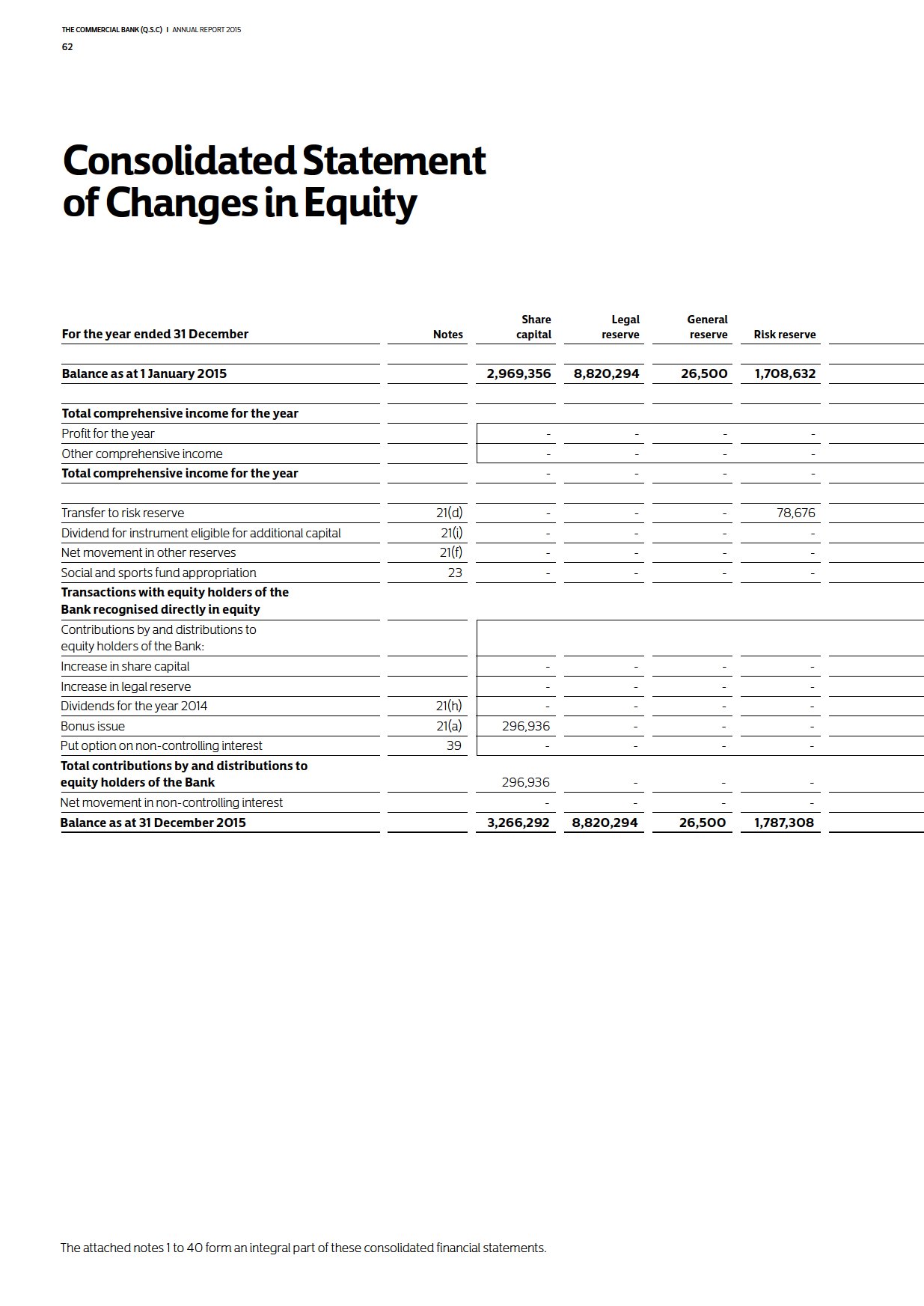

Understanding the intricacies of financial statements is important for investors, analysts, and business owners alike. One of the key components of fiscal describe is the statement changes in equity. This statement provides a detailed breakdown of how a company's equity has changed over a specific period. It is all-important for assessing the fiscal health and execution of a occupation. This blog post will delve into the import of the statement changes in equity, its components, and how to interpret it effectively.
What is the Statement Changes in Equity?
The statement changes in equity is a financial report that outlines the changes in a company's equity accounts over a given period. It is a critical component of the fiscal statements, providing insights into how a company's equity has been impact by assorted transactions and events. This statement is especially utilitarian for read the sources of a company's great and how it has been utilized.
Components of the Statement Changes in Equity
The statement changes in equity typically includes respective key components. These components aid in understanding the various factors that contribute to changes in equity. The main components are:
- Issued Capital: This includes the amount of capital raised through the issuance of new shares.
- Share Premium: This represents the amount receive above the par value of the shares release.
- Reserves: This includes various types of reserves such as continue earnings, general reserves, and specific reserves.
- Treasury Shares: This refers to the shares that a companionship has repurchase and holds in its treasury.
- Other Comprehensive Income: This includes items that are not part of the net income but affect equity, such as foreign currency version adjustments and unrealized gains or losses on available for sale securities.
Importance of the Statement Changes in Equity
The statement changes in equity is vital for respective reasons. It provides a comprehensive view of how a company's equity has changed over time, which is indispensable for tax its fiscal stability and growth potential. Here are some key reasons why this statement is important:
- Assessing Financial Health: By analyze the changes in equity, investors and analysts can gauge the financial health of a fellowship. A consistent increase in equity may indicate potent fiscal execution, while a decrease could signal likely issues.
- Understanding Capital Structure: The statement helps in understanding the great construction of a company, including the sources of great and how it has been utilise. This is all-important for making inform investment decisions.
- Evaluating Management Decisions: The statement provides insights into the decisions made by management, such as issuing new shares, repurchase shares, or distributing dividends. This information can help in evaluate the effectiveness of management strategies.
- Compliance and Transparency: The statement changes in equity ensures compliance with report standards and promotes transparency in fiscal describe. It helps stakeholders translate the changes in equity and the reasons behind them.
Interpreting the Statement Changes in Equity
Interpreting the statement changes in equity requires a thorough read of its components and the factors that influence them. Here are some key points to consider when interpret this statement:
- Analyze Issued Capital: Look at the amount of capital raised through the issuance of new shares. A important increase in issued capital may indicate that the society is expand its operations or investing in new projects.
- Examine Share Premium: The share premium provides insights into the grocery value of the company's shares. A eminent partake premium may indicate potent investor confidence in the company.
- Review Reserves: Reserves, especially keep earnings, are a key index of a company's profitability and fiscal stability. A logical increase in reserves may indicate potent financial execution.
- Evaluate Treasury Shares: The repurchase of shares can affect the company's equity and share price. Analyze the reasons behind the repurchase and its impact on the company's fiscal position.
- Assess Other Comprehensive Income: Items include in other comprehensive income can have a significant impact on equity. Evaluate these items to understand their effect on the company's fiscal health.
Here is an example of how a statement changes in equity might look:
| Item | Beginning Balance | Changes During the Period | Ending Balance |
|---|---|---|---|
| Issued Capital | 1, 000, 000 | 200, 000 (Issuance of new shares) | 1, 200, 000 |
| Share Premium | 500, 000 | 100, 000 (Premium on new shares) | 600, 000 |
| Retained Earnings | 800, 000 | 300, 000 (Net income) 50, 000 (Dividends) | 1, 050, 000 |
| Treasury Shares | 0 | 100, 000 (Repurchase of shares) | 100, 000 |
| Other Comprehensive Income | 50, 000 | 20, 000 (Foreign currency translation adjustments) | 70, 000 |
| Total Equity | 2, 350, 000 | 570, 000 | 2, 920, 000 |
Note: The instance above is a simplify edition of a statement changes in equity. In practice, the statement may include additional components and more detail information.
Common Misconceptions About the Statement Changes in Equity
There are several misconceptions about the statement changes in equity that can lead to incorrect interpretations. Here are some mutual misconceptions and the facts behind them:
- Misconception: The statement changes in equity is the same as the income statement.
- Fact: The statement changes in equity focuses on changes in equity accounts, while the income statement reports the company's revenues, expenses, and net income over a specific period.
- Misconception: A decrease in equity always indicates poor fiscal performance.
- Fact: A decrease in equity can result from various factors, such as the repurchase of shares or the payment of dividends, which may not necessarily bespeak poor fiscal performance.
- Misconception: The statement changes in equity is only relevant for publicly traded companies.
- Fact: The statement changes in equity is relevant for all companies, regardless of whether they are publically traded or privately held. It provides valuable insights into the company's financial health and capital construction.
Best Practices for Analyzing the Statement Changes in Equity
To effectively analyze the statement changes in equity, it is indispensable to follow best practices. Here are some key best practices to consider:
- Compare with Previous Periods: Compare the current period's statement changes in equity with late periods to identify trends and patterns. This can help in understanding the company's financial performance over time.
- Benchmark Against Industry Standards: Benchmark the company's equity changes against industry standards to assess its relative execution. This can ply insights into how the fellowship is do compared to its peers.
- Consider Qualitative Factors: besides quantitative analysis, view qualitative factors that may affect the company's equity, such as management decisions, grocery conditions, and regulatory changes.
- Review Footnotes and Disclosures: Review the footnotes and disclosures accompanying the statement changes in equity for additional info and context. This can assist in understanding the reasons behind the changes in equity.
By following these best practices, investors and analysts can gain a comprehensive see of the company's equity changes and create inform decisions.
to resume, the statement changes in equity is a all-important component of financial describe that provides valuable insights into a company s fiscal health and performance. By read its components, importance, and rendition, investors and analysts can make inform decisions and assess the companionship s financial stability and growth potential. The statement changes in equity helps in evaluating the sources of capital, the employment of funds, and the effectiveness of management strategies. It ensures compliancy with report standards and promotes transparency in fiscal reporting. By following best practices and consider common misconceptions, stakeholders can effectively analyze the statement changes in equity and gain a comprehensive see of the society s financial view.
Related Terms:
- changes in equity format
- statement of owner's equity
- statement of changes equity financial
- statement of changes assets equity
- statement of equity exemplar
- statement of changes worth