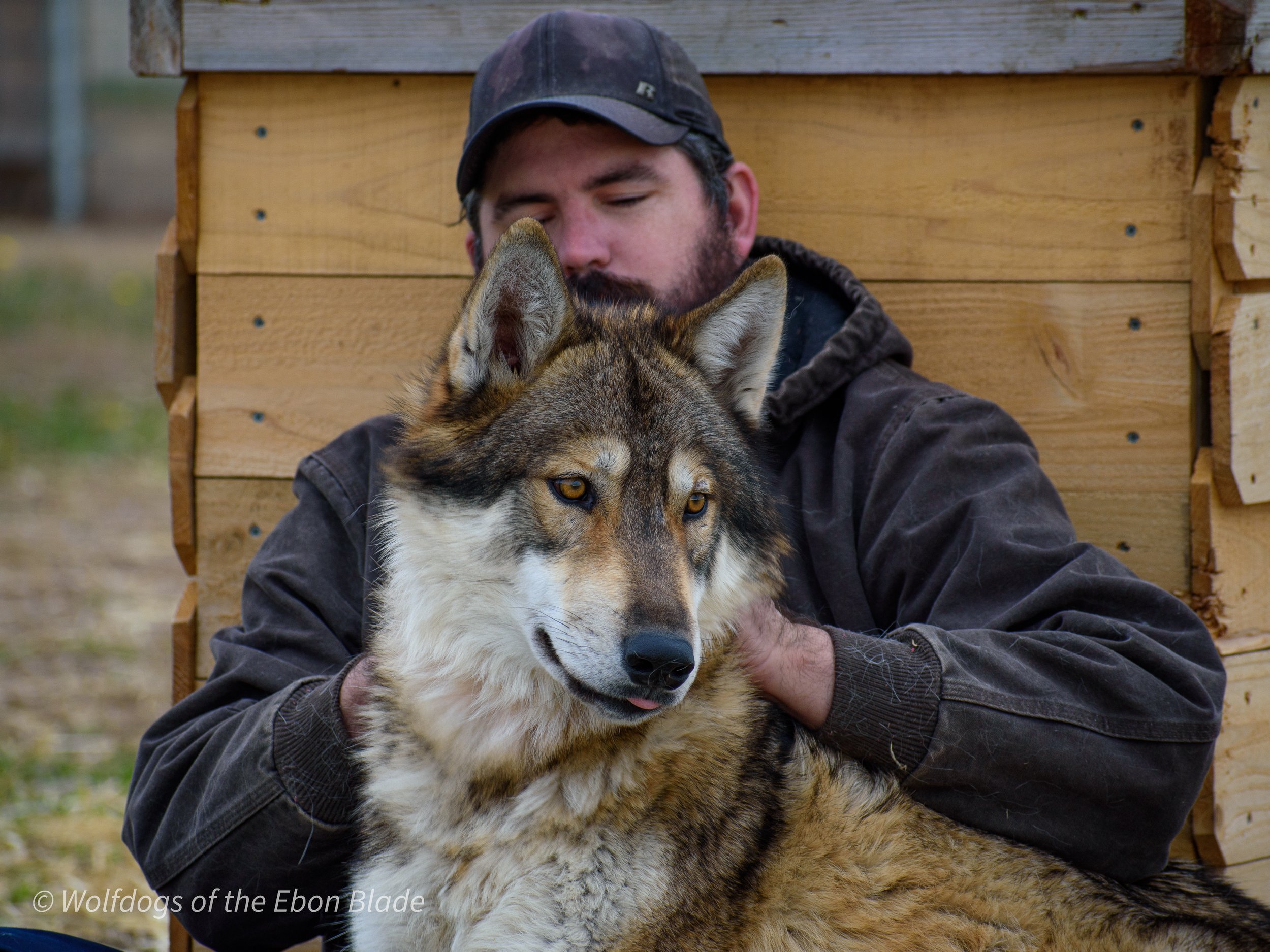

Embarking on a journey to understand the fascinating cosmos of wolf and wolfdog hybrids is an adventure that blends the wild with the domestic, creating a alone and enamor narrative. These animals, often misunderstood, are a testament to the intricate relationship between humans and nature. This post delves into the origins, characteristics, care requirements, and honorable considerations circumvent wolf and wolfdog hybrids.
Origins and History of Wolf and Wolfdog Hybrids
The story of wolf and wolfdog hybrids begins with the domestication of dogs from wolves thousands of years ago. Over time, humans have selectively bred dogs for respective traits, leading to the diverse range of breeds we see today. However, the moot crossing of wolves with domestic dogs to make wolf and wolfdog hybrids is a more late phenomenon.
Wolf and wolfdog hybrids are typically created by spawn a wolf with a domestic dog or by breed two wolf and wolfdog hybrids together. The leave offspring can vary widely in appearance and behavior, depend on the familial makeup of the parents. These hybrids are ofttimes referred to by different names, such as wolfdogs, wolf hybrids, or wolf mixes, but the term wolf and wolfdog is commonly used to encompass all these variations.
Characteristics of Wolf and Wolfdog Hybrids
Wolf and wolfdog hybrids exhibit a mix of traits from both wolves and domestic dogs. Their appearing can range from closely resemble a wolf to look more like a domestic dog, depending on the percentage of wolf DNA. Some common characteristics include:
- Size and Build: Wolf and wolfdog hybrids are frequently larger and more robust than domestic dogs, with a more muscular build.
- Coat: Their coats can be thick and dense, similar to a wolf's, and get in assorted colors and patterns.
- Ears: The ears of wolf and wolfdog hybrids are typically erect and pointed, similar to a wolf's.
- Behavior: These hybrids can exhibit both wolf like and dog like behaviors. They may be more independent and territorial than domestic dogs but can also be loyal and affectionate.
It's important to note that the behavior of wolf and wolfdog hybrids can be unpredictable and may not be suitable for all households. They require see owners who understand their alone needs and behaviors.
Care Requirements for Wolf and Wolfdog Hybrids
Caring for a wolf and wolfdog hybrid is a important commitment that requires a deep understanding of their needs. Here are some key aspects to consider:
Diet and Nutrition
Wolf and wolfdog hybrids have specific dietetical needs that differ from those of domestic dogs. They necessitate a eminent protein diet that mimics their natural prey in the wild. A raw diet, consisting of raw meat, bones, and organs, is often commend. However, it's essential to consult with a veterinarian experienced in wolf and wolfdog hybrids to ensure a balanced and nutrient diet.
Exercise and Enrichment
These hybrids have eminent energy levels and require plenty of practise and mental stimulation. Regular walks, runs, and playtime are essential to keep them physically and mentally healthy. Providing enrichment activities, such as puzzle toys and interactive games, can assist prevent boredom and destructive behaviors.
Socialization and Training
Socialization is important for wolf and wolfdog hybrids to help them become well adjusted and comfy in several environments. Early socialization with people, other animals, and different situations can aid prevent fear and hostility. Training should be reproducible and confident, using reward free-base methods to encourage desired behaviors.
Housing and Space
Wolf and wolfdog hybrids take ample space to roam and explore. A secure, fence yard is idealistic, but they should never be left unattended outdoors due to their strong prey drive and potential for escape. Indoors, they demand a comfortable and safe space with plenty of room to travel around.
Note: Wolf and wolfdog hybrids are not suitable for apartment living or small homes due to their size and eminent energy levels.
Ethical Considerations and Legal Issues
Owning a wolf and wolfdog hybrid comes with ethical and legal considerations that potential owners must be aware of. These animals are oftentimes misunderstood and face challenges due to their singular nature.
Ethical Considerations
One of the primary ethical concerns is the welfare of the animals themselves. Wolf and wolfdog hybrids often face secernment and mistreatment due to their wolf like appearing and behaviors. It's indispensable to ensure that these animals are treat with respect and provided with the care they need to thrive.
Another ethical condition is the impact on local wildlife. Wolf and wolfdog hybrids have a strong prey drive and can pose a threat to aboriginal species if not right contained. Responsible possession includes take measures to prevent escapes and ensuring that these animals do not harm local wildlife.
Legal Issues
The legality of owning a wolf and wolfdog hybrid varies by location. In some areas, they are considered exotic pets and involve especial permits or licenses. In other places, they may be proscribe raw. It's crucial to research and translate the local laws and regulations before considering ownership.
Additionally, many policy policies do not cover wolf and wolfdog hybrids, and find a veterinarian experienced in their care can be challenging. Potential owners should be make for these extra considerations and ensure they have the resources and support needed to provide proper care.
Health and Lifespan of Wolf and Wolfdog Hybrids
Wolf and wolfdog hybrids can live long and healthy lives with proper care. Their lifespan can vary calculate on their genetic makeup and overall health, but on average, they can live between 10 to 15 years. Regular veterinary check ups, a equilibrate diet, and adequate practice are crucial for maintaining their health.
Some common health issues to be aware of include:
- Dental Problems: Wolf and wolfdog hybrids can be prone to dental issues, so regular dental care is important.
- Hip Dysplasia: This genetic precondition can involve the hip joints and cause mobility issues.
- Parasites: Regular parasite prevention is all-important, as these hybrids can be susceptible to respective parasites.
Regular veterinary care and preventive measures can help manage these health issues and guarantee a long and healthy life for wolf and wolfdog hybrids.
Myths and Misconceptions About Wolf and Wolfdog Hybrids
There are many myths and misconceptions surrounding wolf and wolfdog hybrids that can leave to misunderstandings and misinformation. Addressing these myths is essential for push a punter understanding of these unique animals.
| Myth | Reality |
|---|---|
| Wolf and wolfdog hybrids are always aggressive. | While they can exhibit wolf like behaviors, proper acculturation and training can facilitate them become well correct and non aggressive. |
| They are easy to care for like domestic dogs. | Wolf and wolfdog hybrids have unparalleled needs and require experience owners who realise their specific requirements. |
| They can be left outdoors unattended. | Due to their strong prey motor and possible for escape, they should never be left unattended outdoors. |
| They are illegal to own everywhere. | The legality of owning a wolf and wolfdog hybrid varies by locating, so it's essential to inquiry local laws and regulations. |
By dispel these myths, we can promote a more accurate and pity understanding of wolf and wolfdog hybrids and their singular needs.
to resume, wolf and wolfdog hybrids are fascinating animals that require a deep understanding and commitment from their owners. Their unique characteristics, care requirements, and ethical considerations create them a dispute but rewarding companion for those willing to lead on the responsibility. By providing proper care, socializing, and discipline, these hybrids can thrive and enrich the lives of their owners. Understanding the myths and misconceptions surrounding these animals is crucial for promoting their welfare and ensure they receive the respect and care they deserve.
Related Terms:
- are wolves stronger than dogs
- wolf and dog size comparison
- wolf vs dog anatomy
- wolf and dog relationship
- differences between dog and wolf
- wolf and dog breed